Understanding Hydroseeding
In a world that’s constantly recalibrating for efficiency, sustainability, and visual impact, hydroseeding rises like a green phoenix across bare soil—an innovative land-restoration strategy blending science, artistry, and good old-fashioned lawn care. This technique, often seen gliding from truck tanks in a vibrant green spray, transforms dusty landscapes into lush tapestries with speed and style.
At its core, hydroseeding is the process of applying a nutrient-rich slurry—containing seed, mulch, fertilizer, and bonding agents—directly onto prepared soil. This blend nurtures germination like a cradle of growth, giving seeds the moisture, warmth, and protection they crave to thrive.
There’s a certain poetic symmetry in watching an empty plot awaken through hydroseeding. It’s not merely landscaping; it’s rejuvenation—corporate-grade ecosystem revitalization with a lyrical edge.
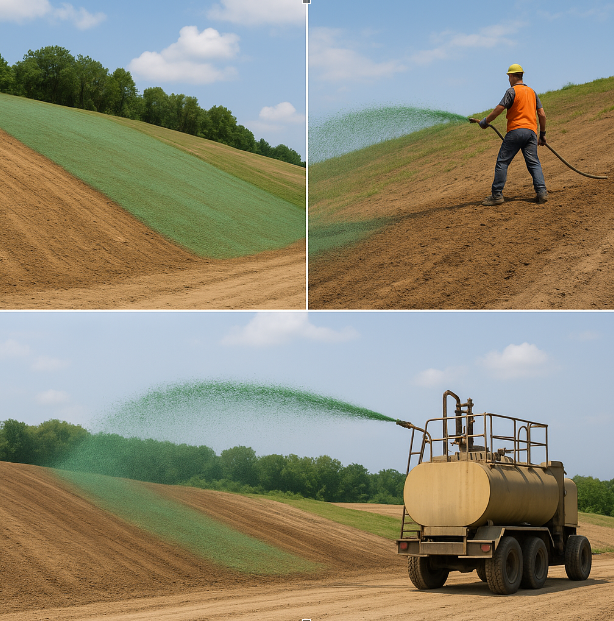
What Makes Hydroseeding Different?
Traditional hand seeding? Too slow.
Sod installation? Too pricey.
Hydroseeding strikes the sweet spot where cost-efficiency meets performance. It delivers a uniform seed distribution, accelerates germination, and creates denser lawns with fewer patches.
It’s like giving your soil a strategic “all-hands meeting” filled with nutrients, structure, and growth objectives—minus the PowerPoint fatigue.
Key Components of Hydroseeding Slurry
Behind every lush lawn is a meticulously engineered formula:
- Mulch – Retains moisture like a champion.
- Seed Mix – Customized for climate, soil, and project goals.
- Fertilizer – Fuels early-stage root development.
- Tackifiers – Adhesives that keep everything bonded to the soil—think of them as the project managers of the slurry.
With these components working in harmony, hydroseeding becomes less of a landscaping method and more of an operational ecosystem.
How Hydroseeding Works
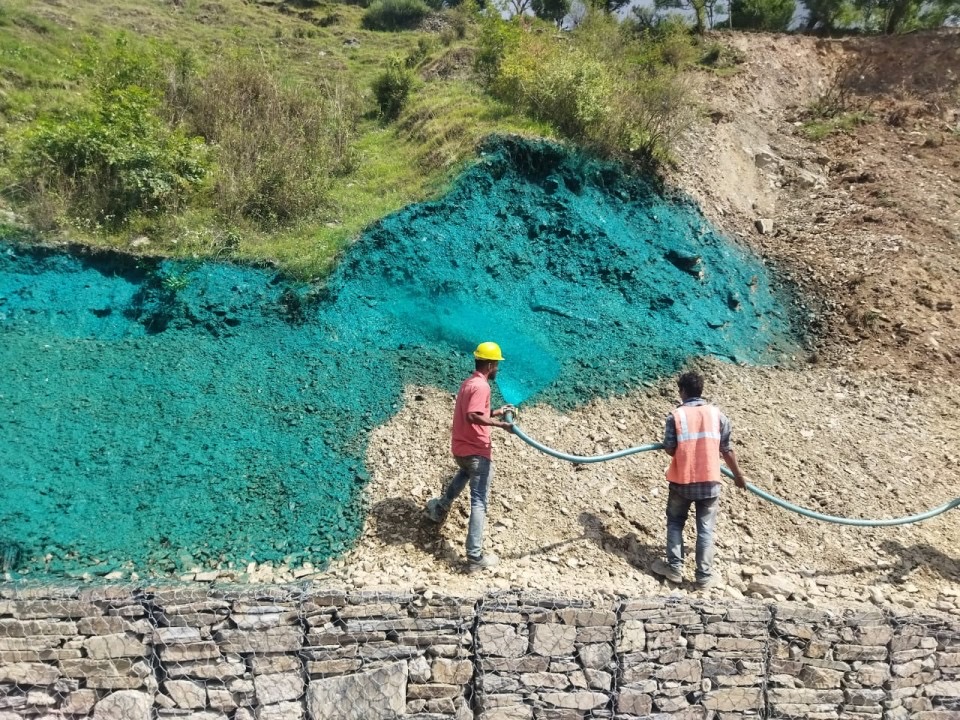
Hydroseeding follows a streamlined workflow—structured, efficient, and satisfying in its precision.
Preparation of Soil Before Hydroseeding
The soil needs to be graded, cleared, and occasionally amended. It’s similar to onboarding a new employee—you make sure the environment is aligned for success before handing over responsibilities.
Mixing the Hydroseed Slurry
Think of this as a performance cocktail: every ingredient measured, every nutrient intentional, every mix calibrated for optimal growth.
Application Techniques for Best Results
Professionals use hydroseeding machines to spray the slurry evenly across the ground. Timing matters—spring and fall offer the most hospitable climate conditions.
The result? Seed that settles into place like poetry finding its rhythm.
Advantages of Hydroseeding for Residential & Commercial Projects
Hydroseeding is a multi-sector hero—residential, commercial, agricultural, municipal. Its benefits include:
- Fast coverage (quick germination)
- Cost savings (especially vs. sod)
- Sustainability (less water and soil disruption)
- High-quality results (dense, uniform grass)
It’s the scalable lawn solution that feels custom-built for modern land management.
Environmental Benefits of Hydroseeding
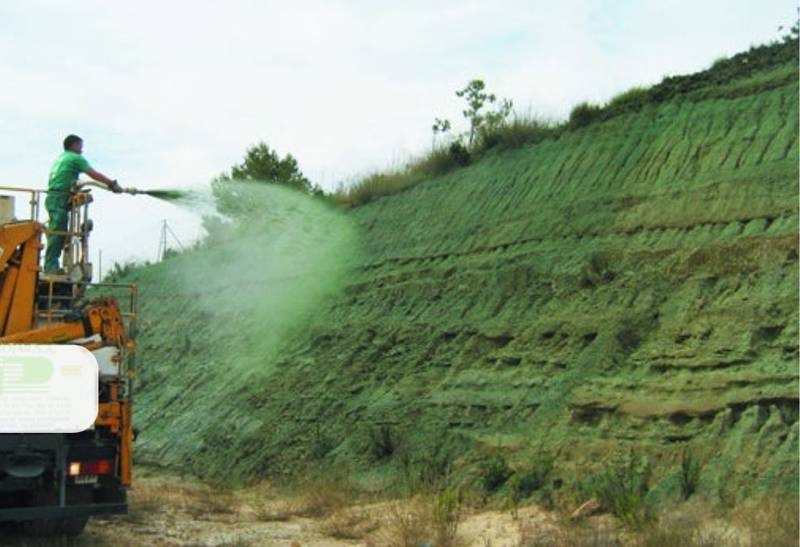
From slope stabilization to water retention, hydroseeding embraces environmental stewardship with flair. Its mulch layer reduces erosion—protecting landscapes during heavy rain or construction cycles.
Hydroseeding vs Sod: Which Wins?
Let’s call it how we see it: sod is the high-cost, instant-gratification option. Hydroseeding, however, builds roots with intention and resilience. It’s the long-game strategy that pays off with rich, enduring turf.
Cost of Hydroseeding in 2025
Pricing typically ranges from $0.08 to $0.20 per square foot, depending on:
- Project size
- Seed blend
- Regional market
- Labor accessibility
- Terrain complexity
Think of it as a budget-friendly gateway to premium turf outcomes.
Budgeting & Cost-Saving Tips
- Prepare the soil yourself
- Choose region-specific seed blends
- Hydroseed larger areas at once to reduce equipment fees
Hydroseeding Maintenance Guide
To ensure your lush investment thrives, follow a strategic post-application regimen:
- Water daily (lightly, no waterlogging)
- Avoid foot traffic for 3–4 weeks
- First mow when grass reaches 3–4 inches
- Fertilize after 4–6 weeks
Growth doesn’t happen overnight—but with hydroseeding, it certainly arrives faster than you expect.
Common Mistakes to Avoid After Hydroseeding
- Overwatering or underwatering
- Ignoring erosion risks
- Mowing too early
- Neglecting soil nutrient requirements
Best Grass Types for Hydroseeding
Your seed blend shapes your outcome:
- Kentucky Bluegrass
- Tall Fescue
- Bermuda
- Ryegrass
- Zoysia
Choosing correctly is half the battle.
Hydroseeding for Erosion Control
Construction zones, roadside embankments, and wildfire-affected lands rely on hydroseeding to stabilize soil. Its bonding power helps prevent landslides and runoff—critical in today’s climate-volatility era.
Commercial & DOT Hydroseeding Applications
Government agencies and infrastructure developers frequently deploy hydroseeding for highways, pipelines, and land reclamation.
For more insight into erosion control methods, you can explore resources like the USDA’s NRCS guides.
FAQs About Hydroseeding
- How long does hydroseeding take to grow?
Expect visible growth in 7–14 days and full establishment in 4–8 weeks. - Is hydroseeding better than sod?
For cost and customization, yes. Sod only wins for instant visuals. - Can I walk on hydroseeded areas?
Not for the first few weeks—treat it like a newborn lawn. - Does hydroseeding work on slopes?
Absolutely; in fact, it’s ideal for erosion-prone areas. - Do I need irrigation for hydroseeding?
Yes—consistent moisture drives successful germination. - Can hydroseeding be used for wildflower meadows?
Indeed. Many mixes are designed specifically for native blossoms.
Conclusion
Hydroseeding is a brilliant marriage of science, nature, and innovation—a strategic pathway to revitalized landscapes with efficiency and elegance. Whether you’re a homeowner nurturing a dream lawn or a contractor restoring vast terrains, this technique delivers value that grows deeper with time.