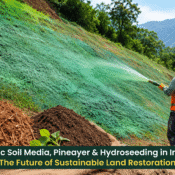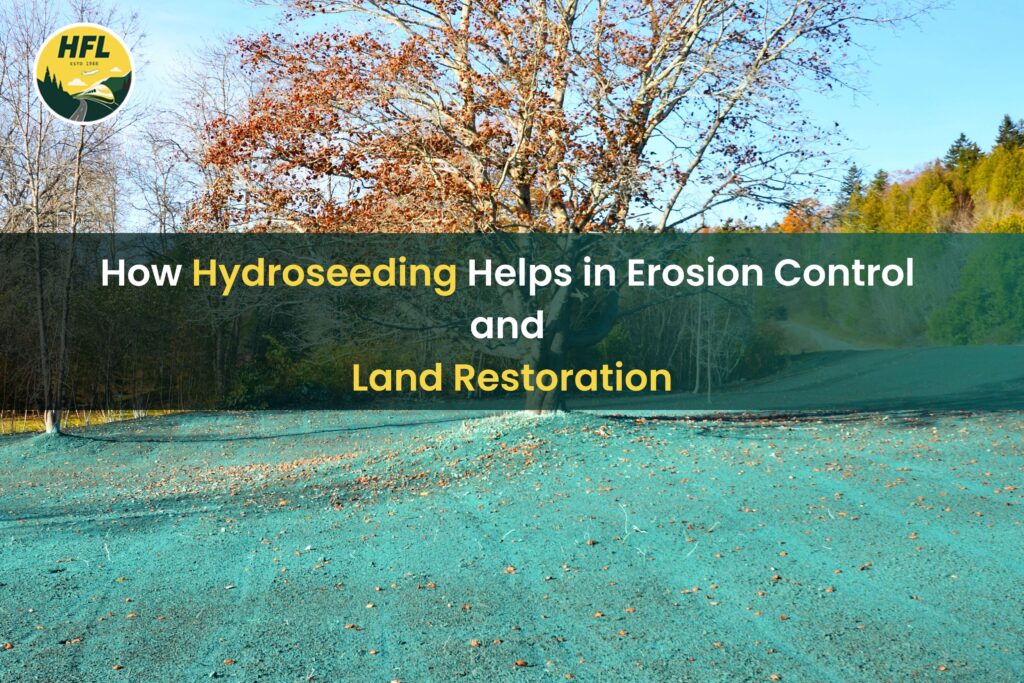
Hydroseeding Erosion Control has emerged as one of the most efficient and eco-friendly
approaches for protecting soil and restoring degraded land. Its ability to quickly establish
vegetation makes it an ideal solution for regions like Haryana, where rapid greening and soil
conservation are essential. This technique blends seeds, mulch, fertilizers, and water into a
slurry that is sprayed on the ground to promote healthy growth. As a result, it supports better
soil stabilization and encourages long-term ecological recovery.
In India, especially across semi-arid landscapes, hydroseeding is increasingly recognized as a
practical choice for Sustainable Greening India initiatives. Government departments,
environmental organizations, and private developers rely on this method to regenerate green
cover and combat land degradation. The Haryana Forest Department also integrates such
approaches to support Land Restoration, helping revive barren or disturbed sites.
Below, we explore how hydroseeding works, wh
What Is Hydroseeding and Why It Works So Effectively?
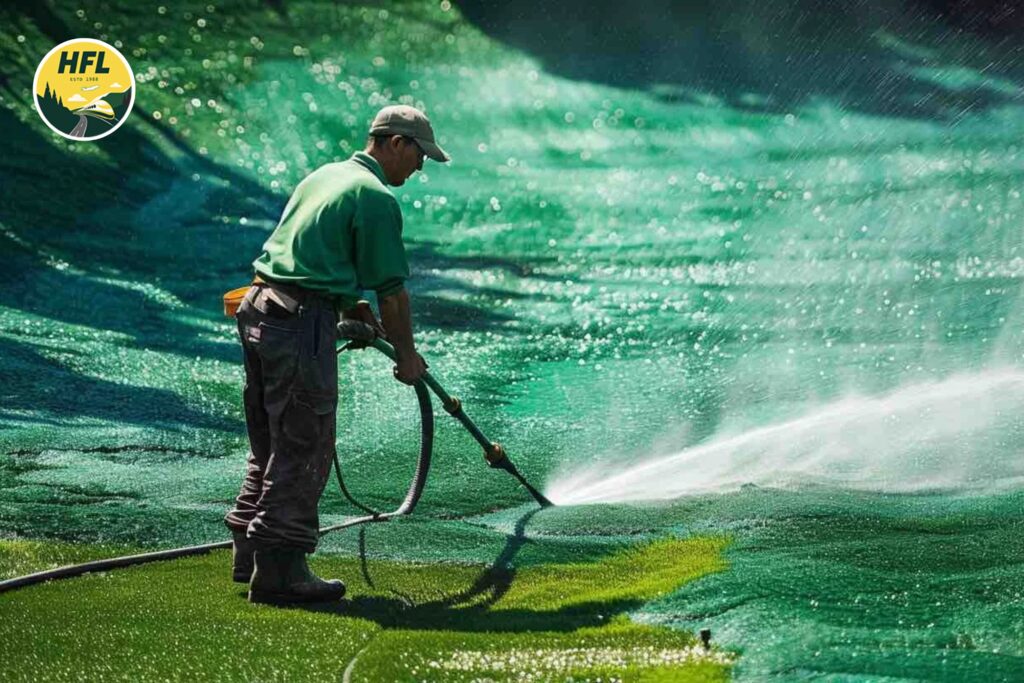
Hydroseeding is a vegetation establishment process that uses a slurry composed of seeds,
mulch, binding agents and water. When applied to bare soil, it creates ideal conditions for
germination and plant growth. This method is widely used in Hydroseeding India projects due
to its efficiency and cost-effectiveness.
How the Hydroseeding Process Supports Soil Stability
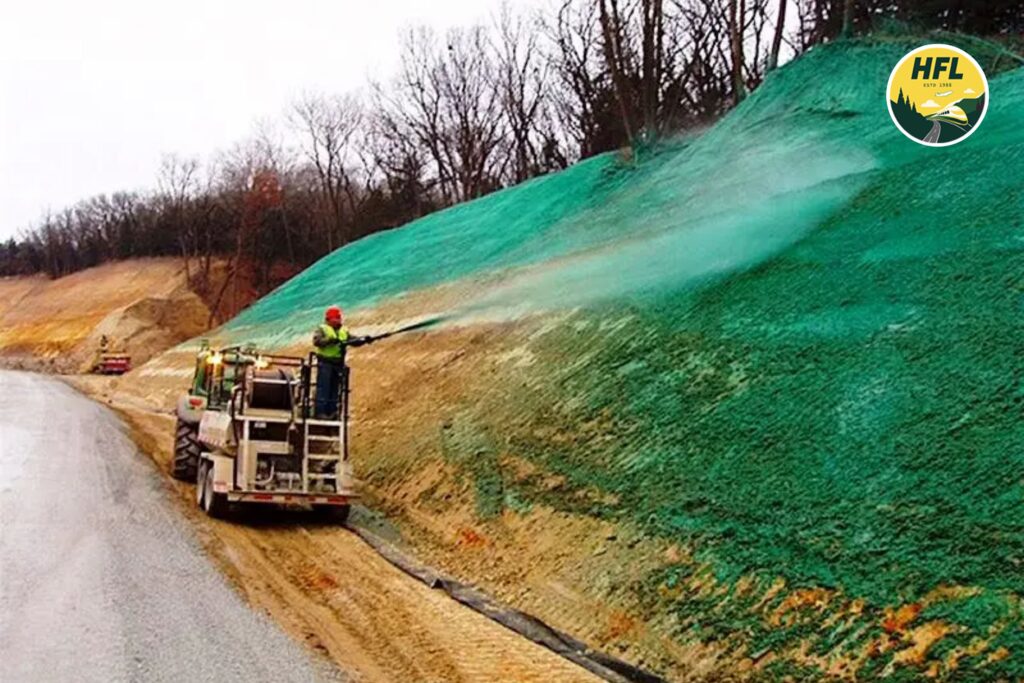
The mixture forms a protective layer over the soil, helping lock in moisture while preventing
the topsoil from being washed away. Unlike traditional seeding, hydroseeding ensures
uniform seed distribution, improving vegetation density. This makes it an outstanding choice
among various erosion control techniques used across India.
Hydroseeding Erosion Control and Its Environmental Impact
Hydroseeding Erosion Control provides multiple ecological benefits. It strengthens the soil
surface, reduces runoff velocity, and helps develop deep-rooted plant systems. These
outcomes make it a valuable solution for preventing soil loss and supporting degraded
landscapes.
Reducing Soil Loss Through Vegetation Growth
Plants established through hydroseeding grow faster and spread effectively, forming a
protective cover that prevents soil displacement. This natural barrier is more sustainable
compared to artificial erosion control methods, which may require constant maintenance.
Supporting Soil Health and Biodiversity
Hydroseeding introduces native grasses and plant species that enhance biodiversity. These
plants foster soil microbial activity and improve nutrient cycling, contributing to healthy
ecosystems and long-term erosion and conservation goals.
Land Restoration Haryana—Why Hydroseeding Is a Preferred Method
Across Haryana, land degradation caused by construction, mining, and overuse poses
challenges. Hydroseeding has become a top choice due to its adaptability and quick results
Restoring Degraded Lands Efficiently
Hydroseeding spreads vegetation evenly across slopes, roadsides, and disturbed terrains.
This makes it a powerful tool in land restoration techniques, especially when fast greening is
needed.
Enhancing Ground Cover for Sustainable Recovery
As vegetation grows, it creates long-term stability and reduces future soil disturbance. These
improvements support Haryana’s environmental restoration plans and regional green-cover
initiatives.
Key Advantages of Hydroseeding for Erosion Control
Hydroseeding stands out for multiple practical and ecological advantages that support both
small-scale and large-scale restoration projects.
Faster Germination and Establishment
The slurry environment nurtures seeds, ensuring quicker germination compared to dry
seeding. It retains moisture and protects seeds from external disturbances.
Cost-Effective for Large Landscapes
Hydroseeding is more economical than laying sod or using manual planting on expansive
areas. It provides uniform coverage at a lower cost while delivering stronger results.
Strong Performance on Slopes and Difficult Terrains
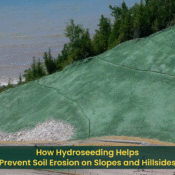
Hydroseeding is particularly effective on rugged landscapes where soil protection is critical.
Its mulch-based mixture adheres well to surfaces, supporting natural erosion control
measures.
Hydroseeding and Its Role in Sustainable Greening India
India’s environmental programs increasingly emphasize sustainability. Hydroseeding aligns
with these goals by reducing chemical usage, minimizing soil disturbance, and encouraging
natural re-vegetation.
Boosting Ecological Restoration Efforts
Hydroseeding promotes healthier ecosystems as native plants thrive. This supports state and
national greening missions.
Creating Long-Term Environmental Resilience
With strong root networks and improved soil structure, landscapes become more resilient to
climate impacts. This strengthens India’s fight against land degradation.
Practical Applications of Hydroseeding Across Haryana
Hydroseeding is used in many land restoration projects across the region.
Roadside and Highway Greening
Transport corridors often face heavy soil erosion. Hydroseeding stabilizes these areas quickly
and safely.
Mining Area Rehabilitation
Hydroseeding helps revive abandoned mining sites by improving soil fertility and promoting
vegetation growth.
FAQs About Hydroseeding Erosion Control
1.How long does hydroseeding take to show results?
Germination typically begins within 7–10 days, with visible growth by two to three weeks
depending on soil and climate.
2.Is hydroseeding suitable for all soil types?
Yes, it works for most soil conditions, though improving soil quality can enhance results.
3. Can hydroseeding be used on steep slopes?
Absolutely. It performs exceptionally well on slopes, helping stabilize soil and improve
vegetation density.
4.How cost-effective is hydroseeding?
It is more affordable than sod and provides excellent long-term vegetation cover.
5. Does hydroseeding require heavy maintenance?
Only basic watering and monitoring are needed until vegetation fully establishes.
6. Is hydroseeding environmentally friendly?
Yes, it supports natural processes and reduces reliance on chemical solutions.
Conclusion
Hydroseeding Erosion Control has become a cornerstone method for land restoration and
soil conservation efforts across India and Haryana. Its ability to promote rapid and healthy
vegetation growth makes it ideal for restoring degraded sites, strengthening soil stability, and
supporting greener landscapes. As regions focus on more sustainable development,
hydroseeding continues to play an important role in achieving long-term ecological balance.