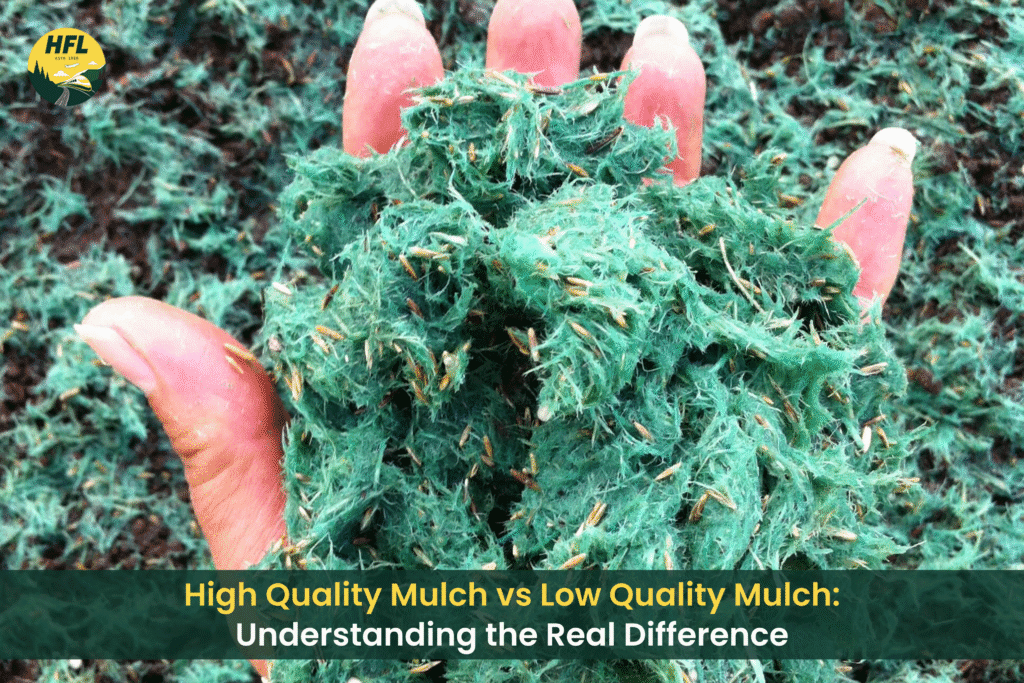
Mulch is one of the most valuable materials used in landscaping, gardening, hydroseeding, and land restoration projects. Many property owners focus on price, but the quality of mulch can greatly affect the long-term success of a project. Using the wrong mulch can lead to poor moisture retention, weed growth, reduced soil health and increased maintenance costs.
Understanding high quality mulch vs low quality mulch is essential for homeowners, contractors, developers and environmental restoration professionals. Premium mulch does much more than improve appearance. It supports healthy soil, protects vegetation, conserves water and contributes to long-term landscape sustainability.
The quality of the mulch has been a major factor in the success of the project at Haryana Forests LTD, where we have been involved in landscaping, erosion control, hydroseeding and restoration projects. Our own experience and knowledge of the industry has taught us that quality mulch performs better and offers more value over time.
This guide explores the major differences between premium and low-grade mulch while explaining why mulch quality matters for sustainable landscape management.
Why Mulch Quality Matters More Than Price
Many buyers compare mulch products based solely on cost. However, the real value of mulch comes from its ability to perform essential functions that benefit soil and vegetation.
Understanding the Purpose of Mulch
Mulch acts as a protective barrier between the soil and the elements. It helps to regulate temperature, reduce moisture loss, suppress weeds and protect soil from erosion. Mulch creates a better environment for plant growth in everything from home gardens to large-scale restoration projects.
The Misconception About Cheap Mulch
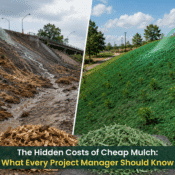
Low-cost mulch may appear economical initially, but it often contains inconsistent materials, excess wood waste or contaminants. These products may break down quickly, require frequent replacement and provide limited soil benefits. In many cases, the lower upfront cost results in higher maintenance expenses later.
Long-Term Value Over Initial Cost
Quality mulch will last longer and do a better job than the cheap stuff, as a rule. Better durability, moisture retention and weed control usually means lower long term costs and healthier landscapes.
Understanding High Quality Mulch vs Low Quality Mulch
The differences between premium and low-grade mulch begin with material selection and manufacturing quality.
Material Composition Differences
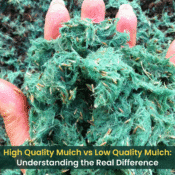
Premium mulch is produced using carefully selected organic materials such as hardwood, bark, wood fibers and natural plant matter. These materials contribute positively to soil health as they decompose.
Low-quality mulch may contain construction waste, untreated wood scraps or inconsistent materials that provide limited landscaping benefits.
Processing and Screening Standards
Quality mulch undergoes thorough processing and screening to ensure uniform texture and particle size. This improves coverage and overall performance.
Poorly processed mulch often contains oversized chunks, dust and debris that create inconsistent results.
Safety and Environmental Considerations
Professionally processed mulch is designed to minimize contaminants, weed seeds and harmful materials. This helps create healthier growing conditions and reduces maintenance concerns.
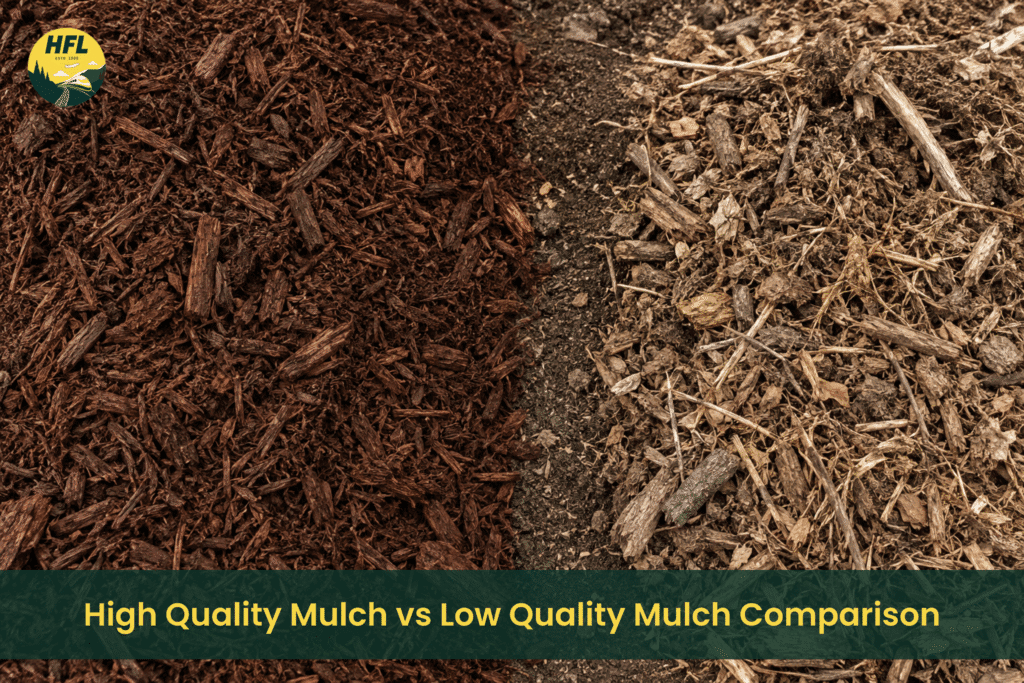
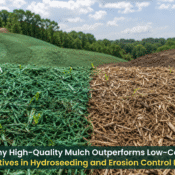
High Quality Mulch vs Low Quality Mulch Comparison
The table below highlights the key differences between premium and budget mulch products.
| Feature | High-Quality Mulch | Low-Quality Mulch |
| Moisture Retention | Excellent | Moderate |
| Weed Suppression | Strong | Limited |
| Soil Improvement | Significant | Minimal |
| Lifespan | 1–2 Years or More | Few Months |
| Appearance | Consistent | Uneven |
| Erosion Control | Effective | Less Effective |
| Organic Matter Contribution | High | Low |
| Maintenance Cost | Lower Long-Term | Higher Long-Term |
For projects that prioritize durability and performance, premium mulch consistently provides greater value.
Soil Health Benefits of Premium Mulch
Healthy soil is the foundation of successful landscaping and restoration projects.
Organic Matter Enhancement
As premium mulch decomposes gradually, it enriches the soil with organic matter. This improves soil structure, water retention, and nutrient availability. Over time, the soil becomes healthier and more productive.
Nutrient Cycling and Root Development
Quality mulch supports nutrient cycling by slowly releasing organic compounds into the soil. These nutrients encourage stronger root development and healthier plant growth.
Microbial Activity Improvement
Beneficial microorganisms play an important role in soil fertility. Premium mulch creates favorable conditions that support microbial populations and improve overall soil health.
Moisture Retention and Water Conservation
Water management is a critical consideration for modern landscaping projects.
Reduced Water Evaporation
Quality mulch reduces direct exposure of soil to sunlight and wind. This helps minimize water evaporation and maintain consistent moisture levels.
Improved Irrigation Efficiency
Landscapes protected by mulch often require less frequent watering. This reduces water consumption and supports sustainable landscape management practices.
Drought Resistance Benefits
Plants growing in mulched environments are better protected from drought stress. Stable moisture conditions help vegetation remain healthy during dry periods.
Weed Suppression Performance
Weed control is one of the most noticeable benefits of premium mulch.
Better Coverage Density
Uniform mulch forms a dense mat that keeps sunlight from weed seeds. This lowers the germination rates and helps keep landscapes cleaner.
Reduced Maintenance Costs
Less weed growth means reduced labor requirements and lower maintenance expenses. Property owners spend less time controlling unwanted vegetation.
Cleaner Landscape Appearance
Effective weed suppression improves visual appeal and creates a more professional-looking landscape.
The Role of Mulch in Sustainable Erosion Control
Erosion can damage landscapes and reduce soil productivity.
How Mulch Prevents Soil Loss
Mulch protects exposed soil from rainfall impact and surface runoff. This reduces soil displacement and helps maintain landscape stability.
Environmentally Friendly Erosion Control Applications
Many organizations use mulch as part of environmentally friendly erosion control programs that protect land while minimizing environmental impact.
Integration with Hydroseeding Projects
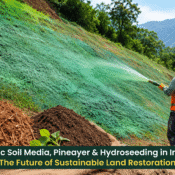
Mulch is commonly combined with hydroseeding applications to improve seed establishment and protect newly seeded areas from erosion.
High Quality Mulch in Modern Hydroseeding Projects
Hydroseeding has become an effective method for vegetation establishment and restoration.
Benefits of Biodegradable Mulch in Hydroseeding
The use of biodegradable mulch in hydroseeding improves moisture retention and protects seeds during the critical germination phase.
Advantages of Biodegradable Mulch Hydroseeding
Many restoration professionals prefer biodegradable mulch hydroseeding because it provides temporary protection while naturally decomposing into the soil.
Supporting Eco Friendly Hydroseeding Practices
Premium mulch contributes to eco friendly hydroseeding systems that encourage vegetation growth while supporting environmental sustainability.
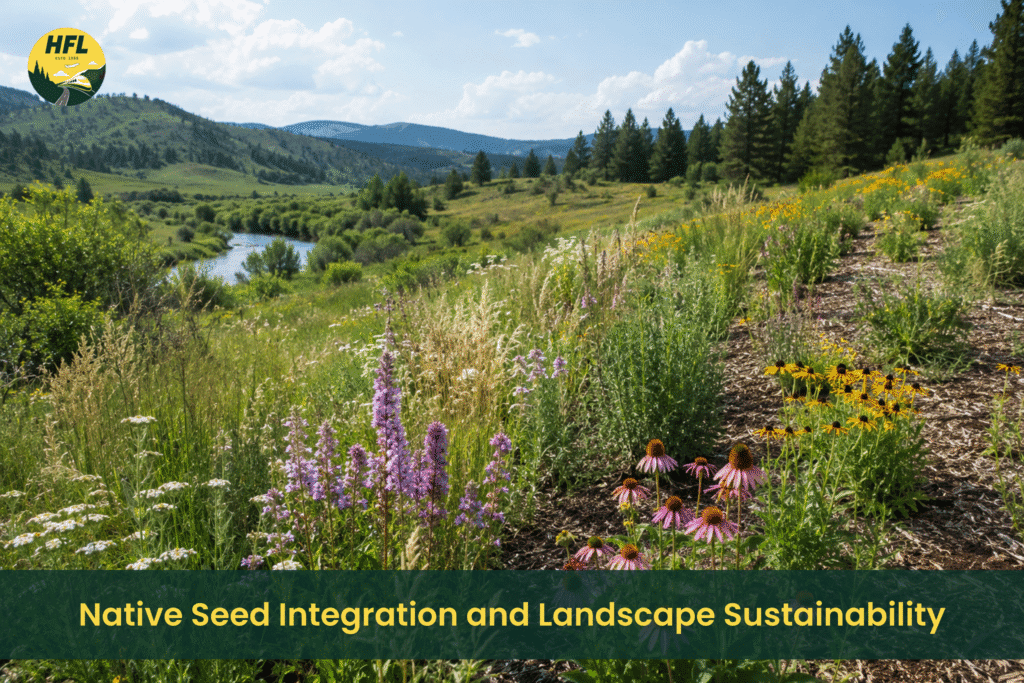
Native Seed Integration and Landscape Sustainability
Combining quality mulch with native vegetation can significantly improve restoration outcomes.
Benefits of Native Seed Mixes
The benefits of native seed mixes include better adaptation to local conditions, reduced maintenance requirements and improved ecological stability.
Native Seeds for Hydroseeding Projects
Using native seeds for hydroseeding helps establish vegetation that is naturally suited to local climates and soil conditions.
Improving Biodiversity Through Hydroseeding
Many restoration projects focus on improving biodiversity through hydroseeding by creating diverse plant communities that support wildlife and ecosystem health.
Environmental Restoration and Sustainable Landscaping
Environmental restoration projects depend on effective soil protection and vegetation establishment.
Hydroseeding for Ecological Restoration
Organizations often use hydroseeding for ecological restoration to accelerate vegetation growth and improve site recovery.
Sustainable Land Restoration Practices
Quality mulch supports sustainable land restoration by reducing erosion and creating favorable conditions for plant establishment.
Eco-Friendly Land Restoration Benefits
Many land managers prioritize eco-friendly land restoration techniques because they balance environmental protection with practical project goals.
Green Landscaping Solutions for Modern Projects
Sustainable Landscape Management
Modern landscaping increasingly focuses on resource conservation, soil health and environmental responsibility.
Green Landscaping Solutions and Mulch Quality
Many green landscaping solutions rely on premium mulch to improve moisture retention, reduce maintenance, and enhance soil quality.
Environmental Stewardship Benefits
Responsible landscaping practices contribute to healthier ecosystems and long-term environmental sustainability.
Why Landscape Professionals Trust Haryana Forests LTD
Industry Experience and Expertise
Haryana Forests LTD has vast experience in assisting landscaping, hydroseeding, erosion control and restoration projects. That gives customers confidence they’re getting solutions built for their project’s needs.
Quality Control Standards
Our mulch products are selected and processed according to strict quality standards to provide consistency, durability and reliable performance.
Commitment to Sustainable Practices
We support sustainable landscaping and restoration strategies that improve soil health while protecting natural resources.
Choosing the Right Mulch for Your Project
Residential Landscaping
Premium mulch enhances garden appearance, improves moisture retention and reduces maintenance requirements.
Commercial Landscapes
Commercial properties benefit from mulch that maintains a professional appearance and delivers long-lasting performance.
Hydroseeding and Restoration Projects
Quality mulch improves vegetation establishment and contributes to successful project outcomes.
Ecological Restoration Areas
Mulch helps stabilize soil and support plant growth in environmentally sensitive areas.
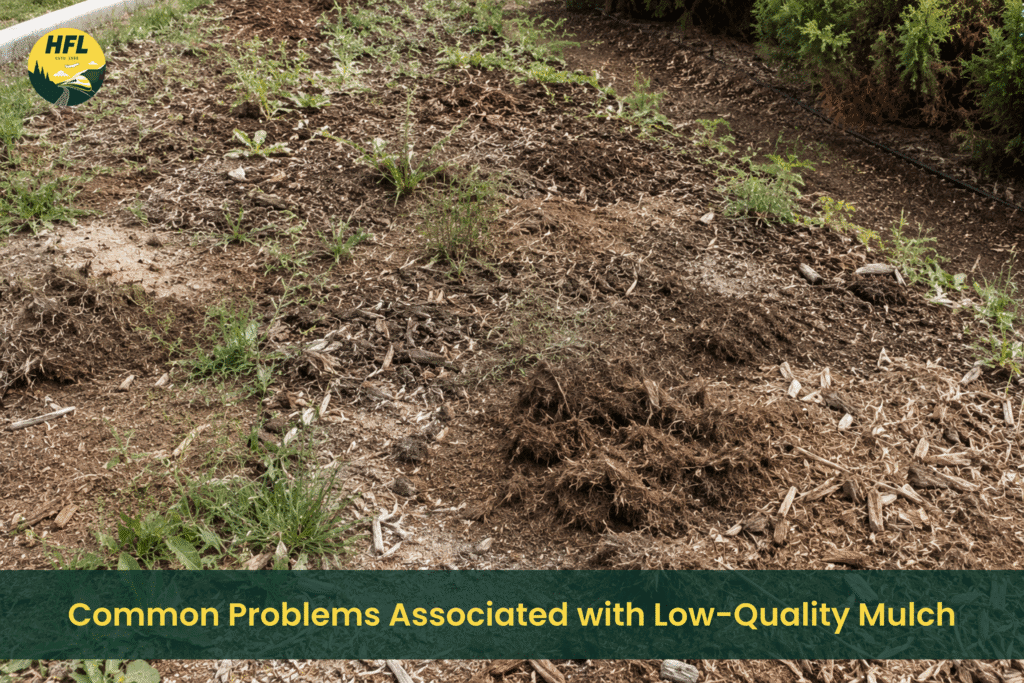
Common Problems Associated with Low-Quality Mulch
Weed Seed Contamination
Low-grade mulch can introduce weed seeds that will increase maintenance needs and reduce landscape quality.
Uneven Decomposition
Poorly processed mulch often decomposes inconsistently, creating uneven coverage and reduced effectiveness.
Excessive Dust and Debris
Inferior mulch may contain dust, debris, and contaminants that negatively affect appearance and performance.
Expert Insights from Haryana Forests LTD
Real-World Performance Observations
Based on field experience, premium mulch consistently provides better moisture retention, weed suppression and landscape durability than low-grade alternatives.
Recommended Applications
Haryana Forests LTD recommends premium mulch for landscaping, hydroseeding, slope stabilization and restoration projects where long-term performance is important.
Importance of Professional Guidance
Selecting the right mulch requires consideration of climate, soil conditions, vegetation type and maintenance goals. Professional guidance helps maximize project success.
Frequently Asked Questions (FAQs)
Q1: What is the biggest difference between high quality mulch vs low quality mulch?
High-quality mulch offers better moisture retention, weed control, soil improvement and durability than low-quality alternatives.
Q2: How does mulch help with erosion control?
Mulch protects exposed soil from rainfall impact and runoff, reducing erosion and supporting landscape stability.
Q3: Can mulch improve hydroseeding results?
Yes. Mulch helps retain moisture, protect seeds and improve germination rates during hydroseeding projects.
Q4: Why are native seed mixes important?
Native seed mixes adapt better to local conditions and contribute to healthier ecosystems.
Q5: How long does premium mulch last?
Most premium mulch products remain effective for one to two years depending on climate and application conditions.
Q6: Is high-quality mulch worth the cost?
Yes. Premium mulch generally provides better long-term value through improved performance and reduced maintenance.
Q7: How does hydroseeding support biodiversity?
Hydroseeding helps establish diverse plant communities that support wildlife and ecosystem health.
Q8: Why choose Haryana Forests LTD?
Haryana Forests LTD combines industry expertise, quality products and sustainable practices to deliver reliable landscaping and restoration solutions.
Conclusion
The decision between high quality mulch and low quality mulch shouldn’t be just price. The quality of the mulch directly affects soil health, moisture retention, weed suppression, erosion control and overall landscape performance.
At Haryana Forests LTD, we understand the importance of selecting mulch that delivers long-term value and supports sustainable project outcomes. Whether you are planning a residential landscape, hydroseeding application, erosion control project or ecological restoration initiative, investing in premium mulch can improve results while reducing long-term maintenance costs.
If you’re looking for reliable mulch solutions that support healthier landscapes and sustainable land management, Haryana Forests LTD can help you choose the right product for your project.
About Haryana Forests LTD
Haryana Forests LTD specializes in mulch solutions, hydroseeding, erosion control, sustainable landscaping, and environmental restoration. With practical industry experience and a commitment to quality, we help residential, commercial and restoration projects achieve long-term success through reliable and environmentally responsible solutions.