Hydroseeding for Large-Scale Projects
Hydroseeding for Large-Scale Projects has emerged as one of the most effective, eco-friendly, and
cost-efficient solutions for vegetation establishment across challenging terrains. From highway slopes
and mining sites to vast infrastructure developments, hydroseeding offers rapid soil stabilization,
erosion control, and sustainable greenery.
For regions like Haryana—where infrastructure expansion, mining activities, and road networks are
growing rapidly—Hydroseeding for Large-Scale Projects provides a smart balance between
environmental responsibility and engineering efficiency. Organizations such as Haryana Forest LTD
are increasingly supporting modern revegetation practices to ensure sustainable land management
across the state. This modern technique not only accelerates plant growth but also improves longterm land resilience.
In this blog, we explore how Hydroseeding for Large-Scale Projects is transforming highways, mining
areas, and large-scale developments, and why it is the preferred solution for government bodies,
contractors, and environmental agencies.
What Is Hydroseeding and How Does It Work?
Understanding the Hydroseeding Process
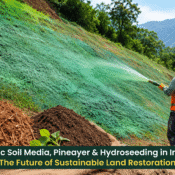
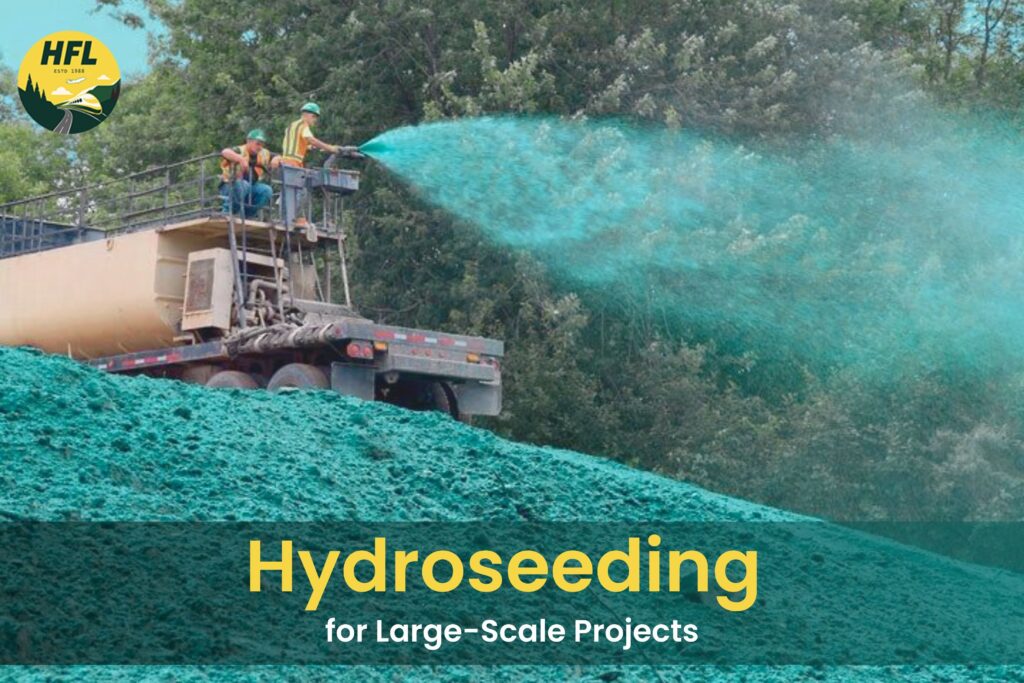
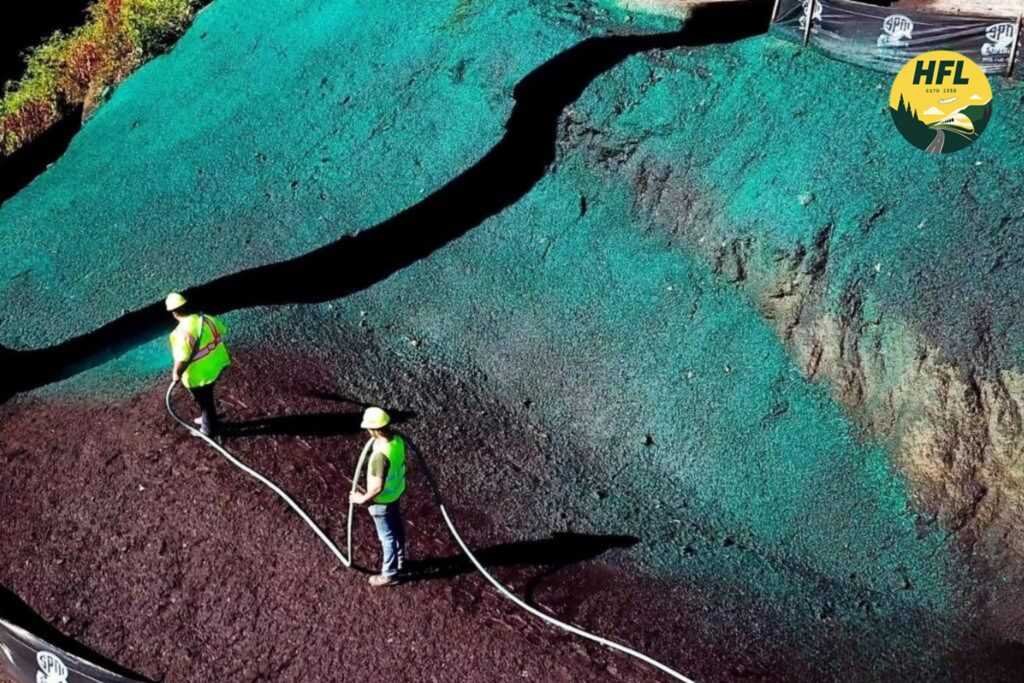
Hydroseeding is a mechanized planting process that involves spraying a slurry mixture of water,
seeds, mulch, fertilizers, and soil binders over prepared ground. Unlike traditional seeding methods,
hydroseeding ensures uniform seed distribution and immediate soil protection.
For Hydroseeding for Large-Scale Projects, specialized equipment is used to cover vast and uneven
areas quickly, including steep slopes and hard-to-reach locations. Large public-sector projects
monitored by agencies such as Haryana Forest LTD often rely on this method to achieve fast and
reliable green cover.
Key Components of Hydroseeding
High-quality grass or native plant seeds
- Organic or wood fiber mulch
- Eco-safe fertilizers and growth enhancers
- Tackifiers to bind soil and reduce erosion
- Water for uniform application
Together, these components create ideal conditions for fast germination and strong root development.
Importance of Hydroseeding for Large-Scale Projects
Why Large-Scale Projects Need Advanced Revegetation
Large infrastructure projects often disturb natural soil structures, leaving land vulnerable to erosion,
dust pollution, and ecological imbalance. Hydroseeding for Large-Scale Projects addresses these
challenges efficiently by restoring vegetation at scale, a priority emphasized in environmental
planning frameworks promoted by Haryana Forest LTD.
Environmental and Engineering Advantages
- Rapid green cover establishment
- Reduced soil erosion and runoff
- Improved slope stability
- Enhanced visual appeal
- Compliance with environmental regulations
This makes hydroseeding an essential solution for sustainable development.
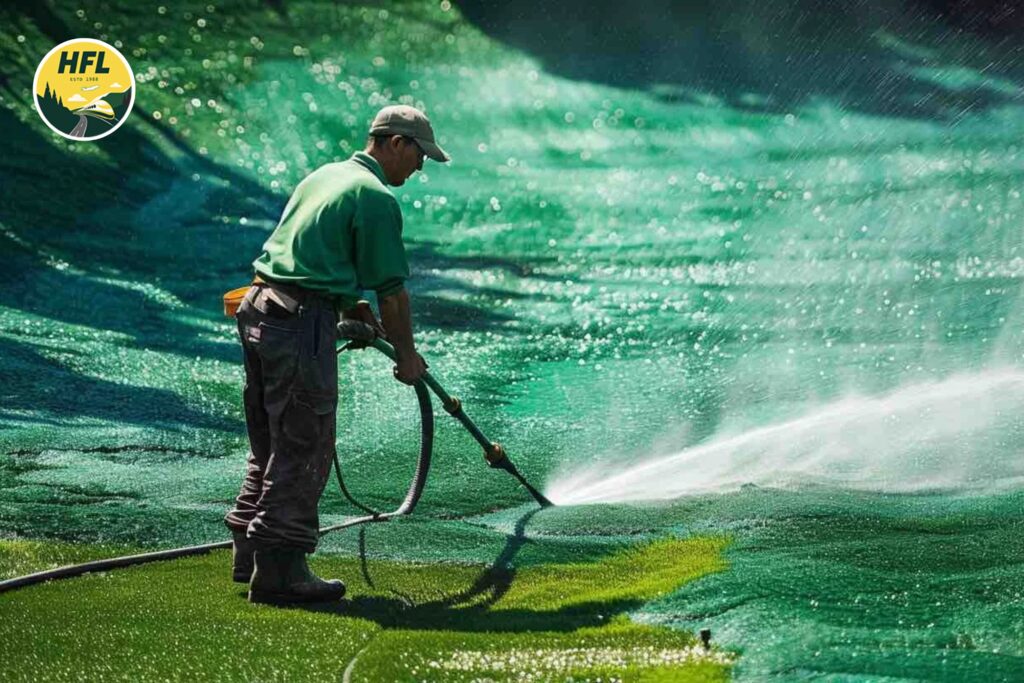
Hydroseeding for Highway Slopes
Challenges of Highway Slope Stabilization
Highway embankments and cut slopes are exposed to wind, rain, and traffic-induced vibrations.
Without vegetation, these slopes can erode quickly, leading to safety risks and costly maintenance.
How Hydroseeding Solves Highway Slope Issues
Hydroseeding for Large-Scale Projects allows uniform coverage over long highway stretches. The
mulch layer protects soil immediately, while seeds germinate and anchor the slope over time.
Key benefits for highways include:
- Fast erosion control
- Reduced landslide risks
- Improved roadside aesthetics
- Lower long-term maintenance costs
Hydroseeding for Mining Sites
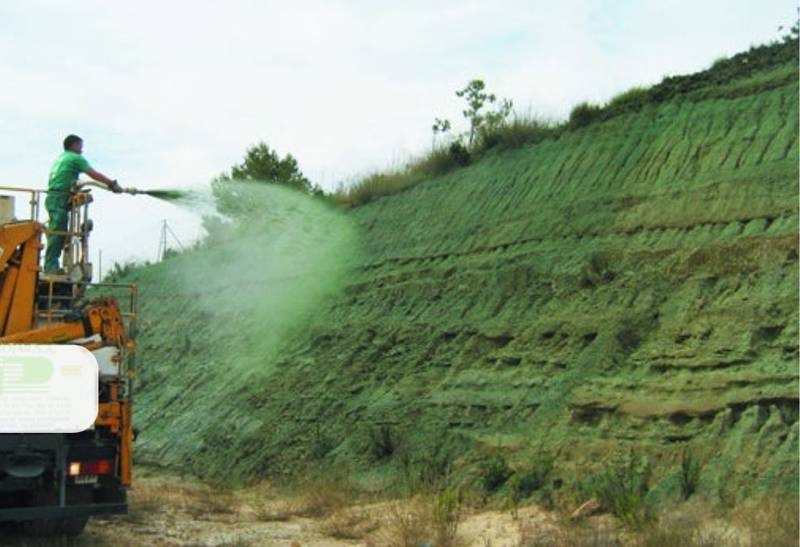
Rehabilitation Challenges in Mining Areas
Mining operations leave behind barren land, loose soil, and altered landscapes. Traditional planting
methods are often ineffective due to poor soil quality and large surface areas.
Role of Hydroseeding in Mine Reclamation
Hydroseeding for Large-Scale Projects is ideal for mine rehabilitation as it allows customized seed
mixes suited to degraded soils. Environmental restoration programs aligned with Haryana Forest
LTD guidelines frequently adopt hydroseeding to accelerate ecological recovery.
Benefits for mining sites include:
- Dust suppression
- Soil binding and stabilization
- Faster land reclamation
- Improved environmental compliance
Hydroseeding for Large Infrastructure and Industrial Projects
Applications Beyond Roads and Mines
Hydroseeding for Large-Scale Projects is widely used for:
- Industrial zones
- Power plants
- Railway corridors
- Canal embankments
- Commercial and institutional campuses
Why Developers Prefer Hydroseeding
Compared to sod laying or manual seeding, hydroseeding offers scalability, speed, and cost savings
—making it ideal for time-bound infrastructure projects supported by government and forest
development authorities like Haryana Forest LTD.
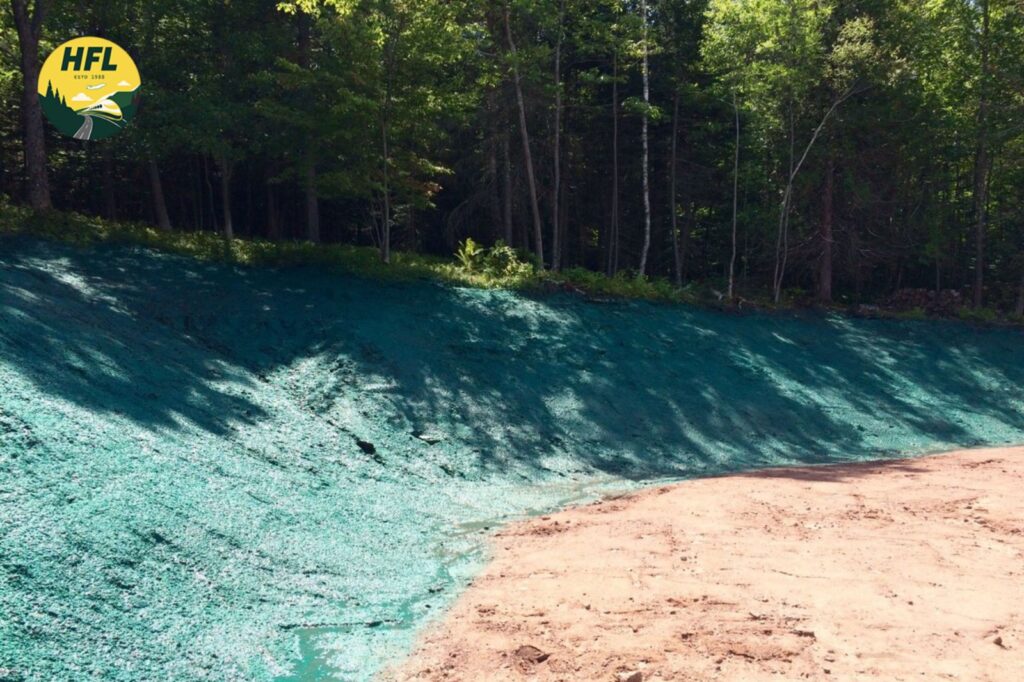
Advantages of Hydroseeding for Large-Scale Projects
Cost-Effective and Time-Saving Solution
Hydroseeding reduces labor costs and project timelines by covering large areas quickly. This
efficiency is critical for government and private sector projects alike.
Eco-Friendly and Sustainable
Hydroseeding uses biodegradable materials and promotes natural vegetation growth, aligning with
green development goals and environmental standards encouraged by Haryana Forest LTD.
Improved Soil Health and Longevity
The mulch and fertilizer mixture enhances soil structure, moisture retention, and nutrient availability,
ensuring long-term vegetation success.
Hydroseeding vs Traditional Seeding Methods
Key Differences
| Aspect | Hydroseeding | Traditional Seeding |
| Coverage Speed | Very Fast | Slow |
| Erosion Control | Immediate | Delayed |
| Cost for Large Areas | Economical | Higher |
| Suitability for Slopes | Excellent | Limited |
For Hydroseeding for Large-Scale Projects, hydroseeding clearly outperforms conventional methods.
Why Choose Professional Hydroseeding Services
Expert Planning and Execution
Professional agencies ensure the right seed selection, slurry formulation, and application technique
based on soil type, climate, and project goals.
Reliable Results for Large Projects
Experienced providers working in coordination with bodies such as Haryana Forest LTD deliver
consistent results while meeting regulatory and environmental requirements.
Frequently Asked Questions (FAQs)
1.What is Hydroseeding for Large-Scale Projects?
Hydroseeding for Large-Scale Projects is a rapid vegetation technique used to stabilize soil and
promote plant growth over large areas such as highways, mines, and infrastructure sites.
2.How long does hydroseeding take to show results?
Germination usually begins within 7–14 days, depending on climate, soil conditions, and seed type.
3.Is hydroseeding suitable for steep slopes?
Yes, hydroseeding is highly effective for steep and uneven slopes where traditional planting is
difficult.
4.Can hydroseeding be customized for local conditions?
Absolutely. Seed mixes and additives can be tailored to local soil, climate, and environmental needs.
5.Is hydroseeding environmentally safe?
Yes, hydroseeding uses eco-friendly materials and supports sustainable land restoration.
6.How long does the vegetation last?
With proper maintenance, hydroseeded vegetation develops strong roots and provides long-term soil
stability.
Conclusion
Hydroseeding for Large-Scale Projects is a proven, sustainable, and efficient solution for vegetation
establishment across highways, mining sites, and major infrastructure developments. Its ability to
control erosion, stabilize slopes, and restore ecological balance makes it indispensable for modern
construction and environmental management.
For regions like Haryana, adopting Hydroseeding for Large-Scale Projects—under the guidance and
support of organizations such as Haryana Forest LTD—supports greener development while
ensuring safety, durability, and compliance. Investing in professional hydroseeding services today
leads to resilient landscapes tomorrow.