The landscaping industry is undergoing a significant transformation as environmental concerns, climate challenges and urban expansion reshape how outdoor spaces are designed and maintained. By 2026, landscaping is no longer just about visual appeal; it is about sustainability, efficiency and long-term ecological balance. Governments, developers and communities worldwide are rethinking how landscapes can support biodiversity, conserve resources and adapt to changing environmental conditions.
Understanding global landscaping trends 2026 helps planners and land managers anticipate these shifts and adopt methods that align with future needs. Among the many emerging approaches, hydroseeding stands out as a technique that bridges innovation with sustainability, making it highly relevant to the landscapes of tomorrow.
How Landscaping Is Evolving on a Global Scale
Landscaping trends across the world are increasingly shaped by climate awareness and responsible land use.
From Aesthetic Design to Environmental Responsibility
Traditionally, landscaping focused on beautification—lawns, gardens, and ornamental features designed primarily for appearance. Today, the emphasis has shifted toward environmental performance. Landscapes are expected to manage water efficiently, prevent soil erosion, improve air quality and support native ecosystems.
This shift reflects the broader future of landscaping, where outdoor spaces are viewed as functional ecological systems rather than decorative elements.
Global Landscaping Trends Driving Change
Sustainability has become the central theme influencing landscaping decisions worldwide.
Why Sustainability Is No Longer Optional
Water scarcity, soil degradation and rising maintenance costs have made conventional landscaping methods less viable. As a result, sustainable landscaping trends focus on reducing water usage, minimizing chemical inputs, and selecting techniques that work with natural processes instead of against them.
These practices help landscapes remain resilient while lowering long-term environmental and financial costs.
Modern Landscaping Techniques Shaping 2026
Innovation is redefining how landscapes are planned and executed.
Technology and Precision in Landscaping
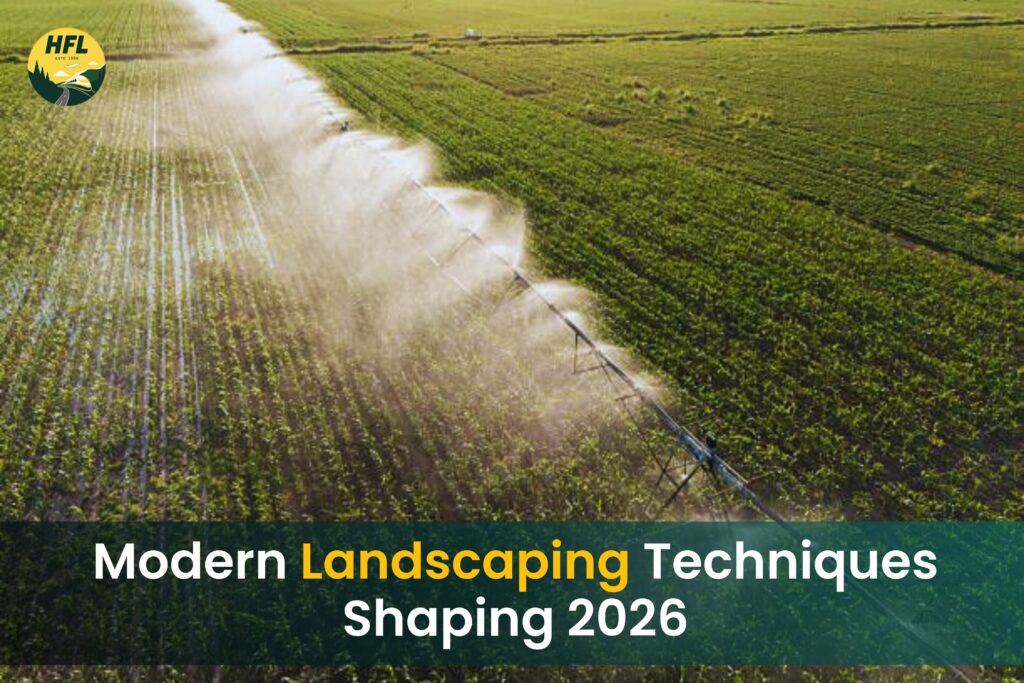
The adoption of Global Landscaping techniques includes data-driven planning, efficient irrigation systems and advanced seeding methods that ensure faster establishment and better plant survival. Precision-based approaches reduce waste, improve uniformity and enhance overall landscape performance.
Hydroseeding aligns well with this trend by offering controlled application and rapid vegetation growth.
Eco Friendly Global Landscaping Solutions for a Changing Climate
As climate patterns become more unpredictable, landscaping must adapt.
Designing for Resilience and Conservation
Eco friendly Global Landscaping solutions prioritize methods that protect soil, conserve water, and support native plant species. These approaches reduce dependency on chemical fertilizers and excessive irrigation, making landscapes more resilient to droughts, floods and temperature extremes.
Hydroseeding supports these goals by promoting quick ground cover, which stabilizes soil and reduces water runoff.
Understanding Hydroseeding in the Context of Global Landscaping
Hydroseeding has gained attention as an effective alternative to traditional seeding methods.
What Makes Hydroseeding Relevant Today
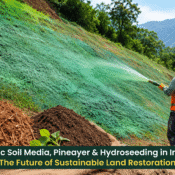
Hydroseeding involves spraying a mixture of seed, mulch, water, and binding agents onto prepared soil. This method improves seed-to-soil contact, accelerates germination and ensures more uniform growth. In the context of global landscaping trends 2026, hydroseeding represents a balance between efficiency and environmental responsibility.
It is particularly effective for large areas, slopes, highways and land restoration projects.
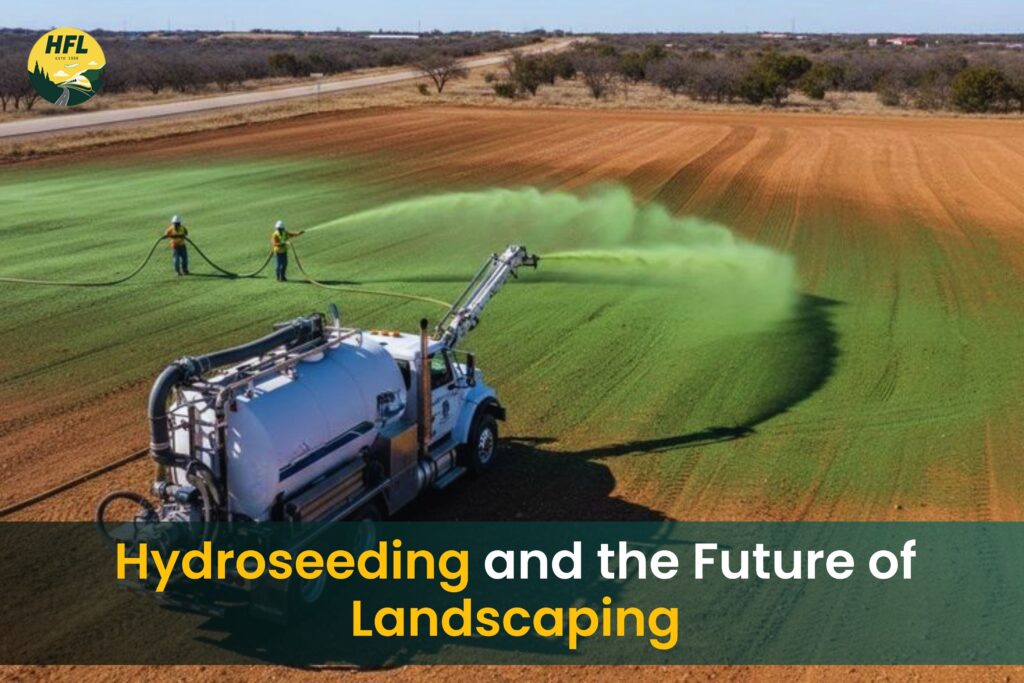
Hydroseeding and the Future of Landscaping
As the industry looks ahead, hydroseeding plays a strategic role.
Supporting Large-Scale and Sustainable Projects
Urban expansion and infrastructure development require landscaping solutions that are fast, scalable, and environmentally sound. Hydroseeding meets these demands by reducing labor, speeding up vegetation establishment and lowering erosion risks.
This makes it a practical tool in the future of landscaping, especially for public projects and green infrastructure initiatives.
Global Landscaping Innovations 2026 and Hydroseeding Integration
Innovation is not just about new tools, but about smarter systems.
Blending Innovation With Natural Processes
Among the key landscaping innovations 2026, hydroseeding stands out because it integrates technology with natural growth cycles. The controlled application process ensures optimal conditions for seed germination while reducing resource waste.
This innovation-driven approach supports consistent results across diverse environmental conditions.
Hydroseeding vs Conventional Landscaping Methods
Comparing hydroseeding with traditional methods highlights its growing importance.
Efficiency, Cost, and Environmental Impact
Traditional hand seeding or sod installation often requires more water, labor and maintenance. Hydroseeding, by contrast, delivers seeds evenly and protects them during early growth stages, leading to higher success rates.
This efficiency makes hydroseeding a preferred option within sustainable landscaping trends, particularly for erosion control and land rehabilitation.
Global Landscaping Adoption of Hydroseeding Practices
Hydroseeding is no longer limited to specific regions.
International Applications and Use Cases
From highway embankments in Europe to urban green belts in Asia and land restoration projects in arid regions, hydroseeding is being adopted worldwide. Its adaptability to different climates and soil types has contributed to its global acceptance.
Organizations such as Haryana Forests play a vital role in promoting sustainable land management practices that align with these global developments.
Why Hydroseeding Aligns With Eco-Conscious Development
Environmental regulations and public awareness are influencing landscaping choices.
Meeting Environmental Standards and Expectations
Hydroseeding supports compliance with environmental guidelines by reducing soil erosion, minimizing chemical runoff and encouraging vegetation growth that stabilizes land naturally. These benefits make it an essential component of eco friendly landscaping solutions adopted by forward-thinking planners.
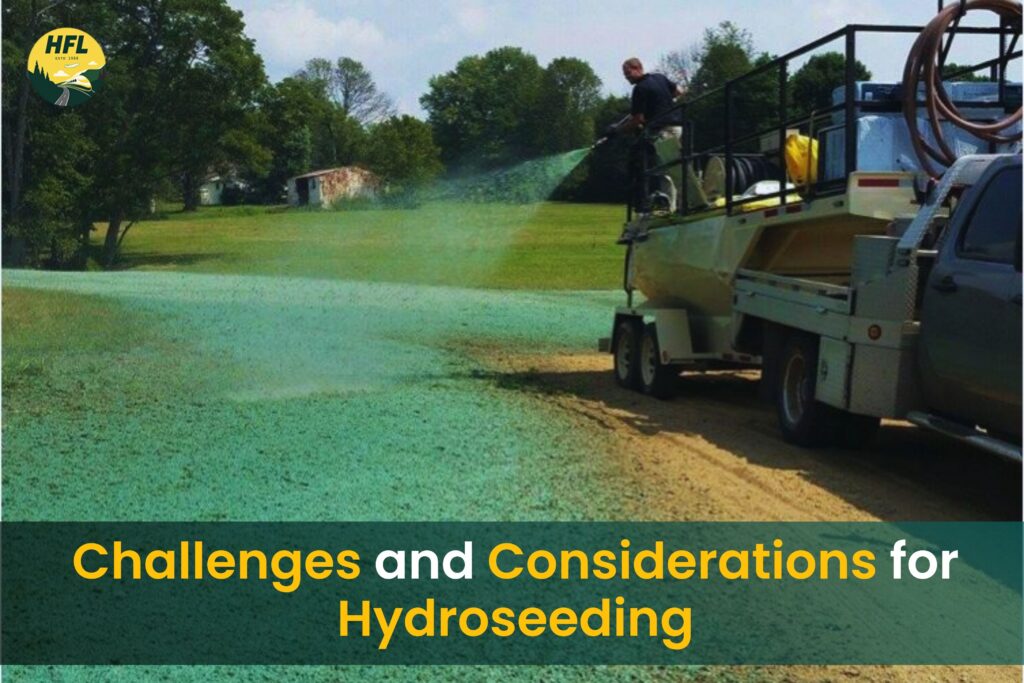
Challenges and Considerations for Hydroseeding
While hydroseeding offers many benefits, it requires proper planning.
Ensuring Optimal Results
Successful hydroseeding depends on soil preparation, seed selection and timing. Without these factors, results may vary. Professional expertise ensures that hydroseeding projects deliver consistent and sustainable outcomes.
The Role of Forestry and Environmental Organizations
Institutions focused on environmental stewardship are key drivers of change.
Promoting Sustainable Landscape Practices
Forestry and environmental organizations advocate methods that restore ecosystems while supporting development. By encouraging practices aligned with global landscaping trends 2026, these organizations help ensure that growth does not come at the expense of environmental health.
What Landscapers and Planners Should Prepare for 2026
The coming years will demand adaptability and foresight.
Skills and Strategies for the Future
Professionals must stay informed about evolving technologies, sustainability standards and innovative methods. Integrating hydroseeding into project planning positions landscapers to meet future demands effectively.
Frequently Asked Questions (FAQs)
Q1. What are global landscaping trends 2026 focused on?
They emphasize sustainability, resource efficiency, climate resilience and environmentally responsible design.
Q2. How does hydroseeding support sustainable landscaping?
Hydroseeding promotes quick vegetation growth, reduces erosion and uses water and resources efficiently.
Q3. Is hydroseeding suitable for large-scale projects?
Yes, it is especially effective for highways, slopes, public spaces and land restoration projects.
Q4. Does hydroseeding reduce maintenance costs?
In many cases, yes, as it establishes vegetation faster and more uniformly than traditional methods.
Q5. Can hydroseeding be used in different climates?
With proper planning and seed selection, hydroseeding adapts well to various environmental conditions.
Q6.Who should consider hydroseeding for future projects?
Urban planners, developers, environmental agencies and land management organizations planning sustainable projects.
Conclusion
The landscaping industry is moving toward a future defined by sustainability, innovation and environmental responsibility. As global landscaping trends 2026 continue to evolve, methods that balance efficiency with ecological care will shape how outdoor spaces are designed and maintained.
Hydroseeding fits seamlessly into this future by offering a solution that supports soil health, conserves resources, and delivers reliable results. With guidance from organizations committed to sustainable land management, such as Haryana Forests, hydroseeding is positioned as a key contributor to resilient and future-ready landscapes worldwide.