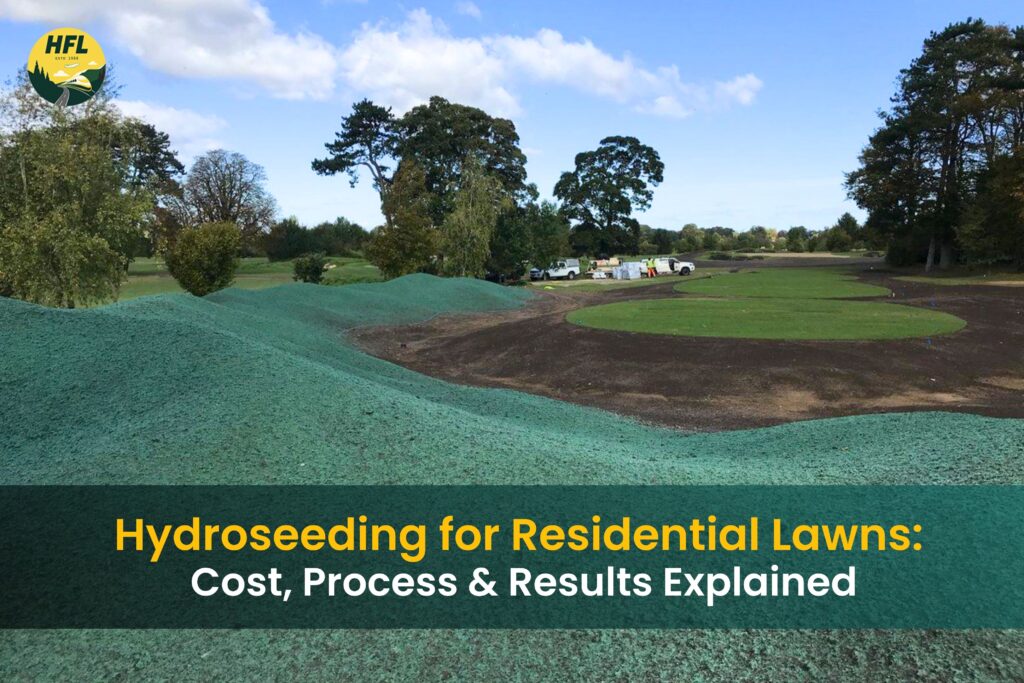
Creating a lush and evenly distributed lawn is one of the most rewarding improvements homeowners can make to their outdoor space. However, growing healthy grass from scratch can be challenging, especially when traditional methods produce patchy or uneven results. This is why hydroseeding for residential lawns has become an increasingly popular landscaping technique Compared with traditional lawn planting methods, hydroseeding provides better seed protection and moisture retention. It also improves the chances of successful grass establishment even in difficult soil conditions.
Organizations like Haryana Forest support sustainable landscaping practices and encourage homeowners to adopt eco-friendly lawn development methods such as hydroseeding to improve soil health and green spaces.
Hydroseeding for Residential Lawns: Understanding the Method
Why Hydroseeding for Residential Lawns Is Gaining Popularity
In recent years, hydroseeding for residential lawns has become a preferred option for homeowners looking to develop beautiful landscapes quickly and efficiently. Unlike traditional dry seeding methods, hydroseeding provides a protective layer that helps seeds remain in place and retain moisture during the early stages of growth.
The technique works particularly well for areas where soil erosion or uneven surfaces may make traditional seeding difficult. Because the mixture spreads evenly across the ground, hydroseeding helps eliminate the patchy results often seen with manual seed spreading.
For homeowners who want a cost-effective yet reliable lawn establishment method, hydroseeding offers an ideal balance between affordability and performance.
Hydroseeding for Residential Lawns: Hydroseeding Process Explained
Hydroseeding for Residential Lawns Soil Preparation
Before the seeding process begins, proper soil preparation is necessary to ensure optimal grass growth. Preparing the soil allows seeds to establish strong roots and absorb essential nutrients.
Typical soil preparation steps include:
- Removing weeds, debris and rocks
- Loosening compacted soil
- Leveling uneven ground
- Adding organic nutrients when needed
Once the soil is ready, the hydroseeding mixture can be applied effectively.
Hydroseeding for Residential Lawns Application Stage
The hydroseeding process explained involves spraying a specially prepared slurry mixture across the prepared soil surface using professional equipment.
The mixture typically contains:
- Selected grass seed varieties
- Water for hydration
- Fertilizer to promote early growth
- Organic mulch to retain moisture
The mulch layer forms a protective blanket over the seeds, preventing them from being displaced by wind or heavy rainfall.
Under suitable weather conditions, grass begins to germinate within one to two weeks.
Hydroseeding for Residential Lawns: Hydroseeding Benefits for Home Lawns
Hydroseeding for Residential Lawns Creates Uniform Grass Coverage
One of the most important hydroseeding benefits for home lawns is even seed distribution. Because the slurry mixture is sprayed across the soil surface, seeds are spread uniformly across the lawn. This results in smoother grass coverage and reduces the chances of bare patches.
Hydroseeding for Residential Lawns Improves Moisture Retention
The mulch component in hydroseeding helps retain moisture around the seeds. This moisture retention is essential during the germination phase when seeds require consistent hydration.
By maintaining proper moisture levels, hydroseeding supports stronger root systems and healthier grass growth.
Hydroseeding for Residential Lawns Reduces Soil Erosion
Another advantage of hydroseeding is erosion control. The mulch layer stabilizes soil during early grass growth, especially on slopes or uneven surfaces. This helps maintain soil integrity while new grass establishes itself.
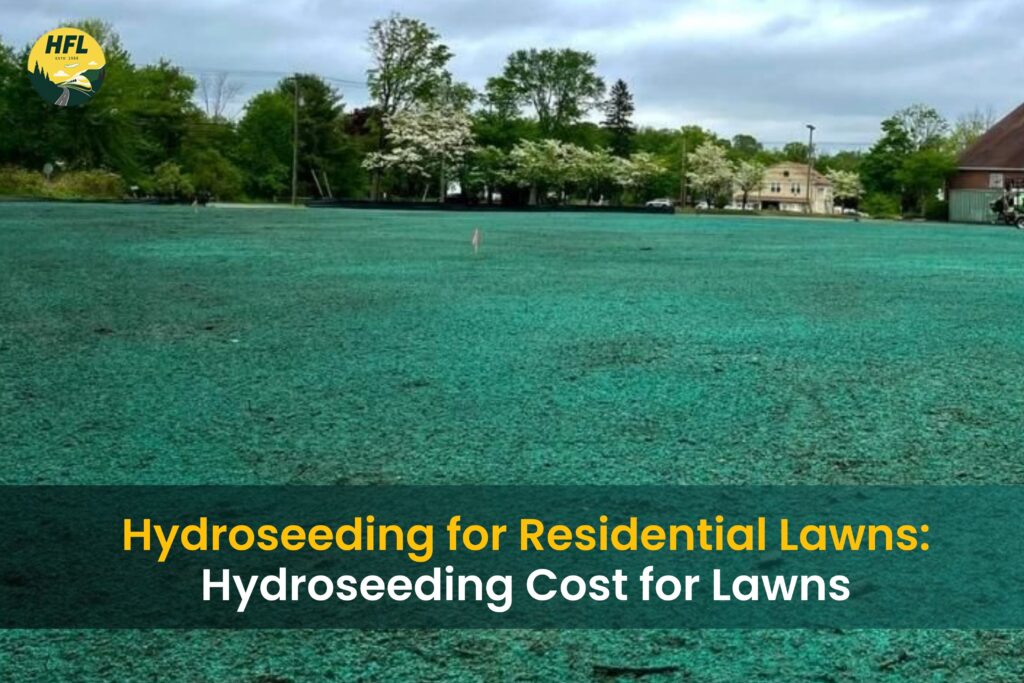
Hydroseeding for Residential Lawns: Hydroseeding Cost for Lawns
Hydroseeding for Residential Lawns Cost Factors
The hydroseeding cost for lawns can vary depending on several factors, including:
- Total lawn size
- Type of grass seed selected
- Soil preparation requirements
- Location and labor costs
Despite these variations, hydroseeding remains more affordable than sod installation.
Hydroseeding for Residential Lawns Cost Compared to Sod
While sod provides instant greenery, it is significantly more expensive and may not develop roots as deeply as seeded lawns.
Hydroseeding allows grass to grow naturally from the soil, creating a stronger and more durable lawn over time.
For many homeowners, hydroseeding offers a practical balance between cost and long-term lawn health.
Hydroseeding for Residential Lawns vs Traditional Lawn Seeding
Hydroseeding for Residential Lawns vs Traditional Lawn Seeding Comparison
When evaluating hydroseeding vs traditional lawn seeding, the difference becomes clear.
Traditional seeding involves spreading dry grass seeds over the soil surface. These seeds can easily be blown away by wind or washed away during rain.
Hydroseeding, however, provides a protective mulch layer that keeps seeds in place and improves germination rates.
Hydroseeding for Residential Lawns as the Best Seeding Method for Residential Lawns
Many landscaping professionals consider hydroseeding the best seeding method for residential lawns because it provides faster growth and healthier grass establishment. The combination of nutrients, moisture retention and seed protection gives hydroseeded lawns a strong start compared with traditional methods.
Hydroseeding for Residential Lawns: Lawn Hydroseeding Services
Hydroseeding for Residential Lawns Professional Lawn Hydroseeding Services
Professional lawn hydroseeding services use specialized equipment to ensure that the slurry mixture is distributed evenly across the lawn area.
These services typically include:
- Soil evaluation and preparation
- Grass seed selection
- Uniform hydroseeding application
- Early maintenance guidance
Professional application often leads to better results and faster lawn establishment.
Hydroseeding for Residential Lawns and Sustainable Landscaping
Organizations like Haryana Forest promote sustainable landscaping practices that encourage greener communities and healthier environments.
Hydroseeding contributes to these goals by improving soil stability and promoting natural plant growth.
By adopting hydroseeding techniques, homeowners can create eco-friendly landscapes that support environmental sustainability.

Hydroseeding for Residential Lawns Maintenance Tips
Hydroseeding for Residential Lawns Watering Guidelines
After hydroseeding, consistent watering is essential to support seed germination. The soil should remain moist but not waterlogged. Light watering several times per day during the early stages helps seeds establish healthy roots.
Hydroseeding for Residential Lawns Long-Term Care
Once the grass begins to grow, proper maintenance ensures long-lasting lawn quality.
Recommended lawn care practices include:
- Regular mowing at appropriate height
- Balanced fertilization
- Adequate irrigation
- Weed management
Maintaining these practices ensures the lawn remains healthy and vibrant.
Frequently Asked Questions About Hydroseeding for Residential Lawns
Q1: What is hydroseeding for residential lawns?
Hydroseeding is a lawn planting technique that sprays a mixture of grass seed, mulch, fertilizer and water onto prepared soil to promote fast and uniform grass growth.
Q2: How long does hydroseeding take to grow grass?
Grass typically begins germinating within 7–14 days depending on weather conditions and seed type.
Q3: Is hydroseeding cheaper than sod installation?
Yes. Hydroseeding is usually more affordable than sod while still producing a dense and healthy lawn.
Q4: Can hydroseeding be used on slopes?
Yes. Hydroseeding is commonly used on slopes because the mulch layer helps prevent soil erosion.
Q5: How often should hydroseeded lawns be watered?
Newly hydroseeded lawns should be watered lightly multiple times daily until grass begins to establish.
Q6: Is hydroseeding suitable for all climates?
Hydroseeding can work in most climates when appropriate grass seed varieties are selected.
Conclusion
Developing a healthy lawn requires the right planting technique and proper maintenance. Hydroseeding for residential lawns offers homeowners an efficient and cost-effective way to establish lush green landscapes.
By combining seed protection, nutrient support and moisture retention, hydroseeding provides faster germination and stronger grass growth than many traditional methods.
With the guidance and environmental focus promoted by Haryana Forest, homeowners can adopt sustainable landscaping practices that improve soil quality, prevent erosion and create greener residential spaces. For those seekinga reliable and modern lawn establishment method, hydroseeding remains one of the most effective solutions available today.