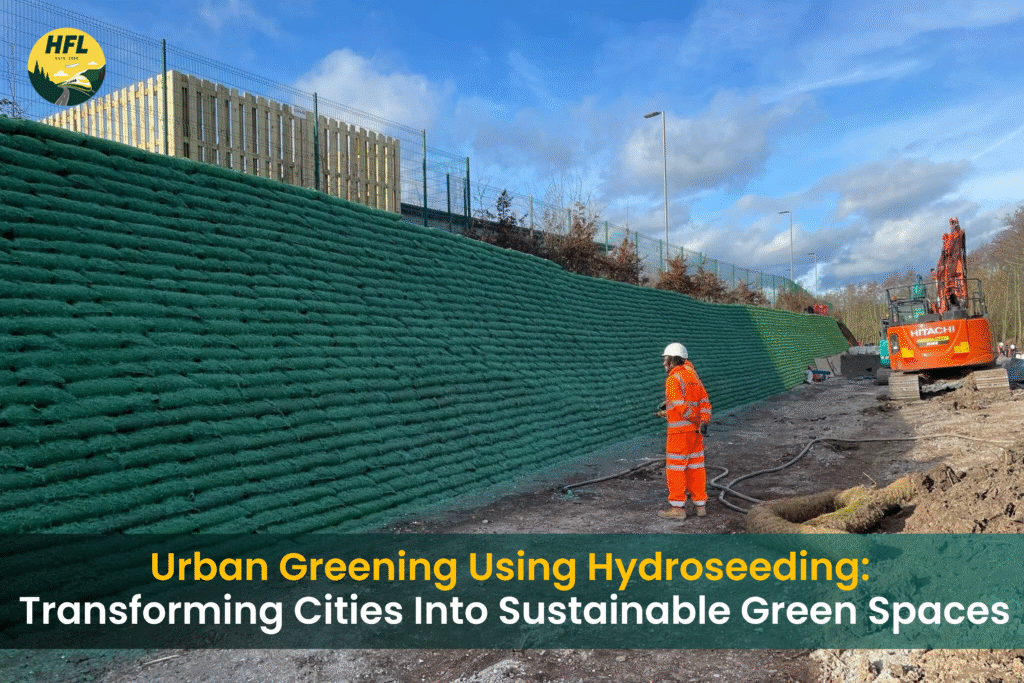
Cities all over the world are growing quickly and this often means cutting down trees and other plants. As cities get bigger, governments and environmental groups are putting more money into long-term plans to bring back plants and animals and restore the balance of nature. Hydroseeding, a new way to plant that lets plants grow on a large scale in cities, is one of the most creative ways to green up cities.
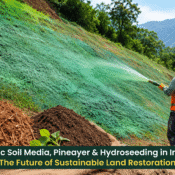
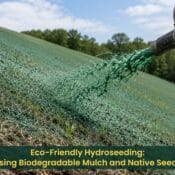
Hydroseeding involves spraying a mixture of seeds, mulch, fertilizers and water onto soil surfaces using specialized equipment. This slurry creates an ideal environment for seeds to germinate quickly and evenly. Because of its efficiency and cost-effectiveness, hydroseeding has become a popular solution for urban parks, roadside landscapes and erosion control.
Hydroseeding technology is now being used in many urban greening projects around the world to turn empty land into lush green spaces. The method helps cities deal with environmental problems like soil erosion, air pollution and rising urban temperatures while also helping plants grow quickly.
Organizations and environmental initiatives such as Haryana Forest emphasize the importance of modern ecological solutions to restore degraded land and promote sustainable urban ecosystems. By combining technology with environmental planning, cities can create healthier living environments for their residents.
This article talks about how hydroseeding is changing the way cities are landscaped and helping the environment around the world.
Understanding Urban Greening Using Hydroseeding
What Is Urban Greening Using Hydroseeding?
Urban greening refers to the process of increasing vegetation and green infrastructure within cities. The goal is to improve environmental quality, reduce pollution and enhance the wellbeing of urban populations.
Within this framework, hydroseeding has become a powerful way to quickly grow plants over large areas. Hydroseeding is different from traditional seeding methods because it evenly spreads seeds through a nutrient-rich slurry that is sprayed on the soil.
The slurry typically contains:
- Grass or native plant seeds
- Mulch for moisture retention
- Fertilizers for plant nutrition
- Water for germination
- Binding agents to stabilize soil
This method ensures seeds remain protected while providing the ideal environment for rapid growth.
Many cities now use hydroseeding to landscape their cities because it cuts down on labour costs and lets plants grow in hard-to-reach places like slopes, highways and construction sites.
Experts from environmental groups like Haryana Forest say that new ways of planting can help bring back the balance of nature in cities.
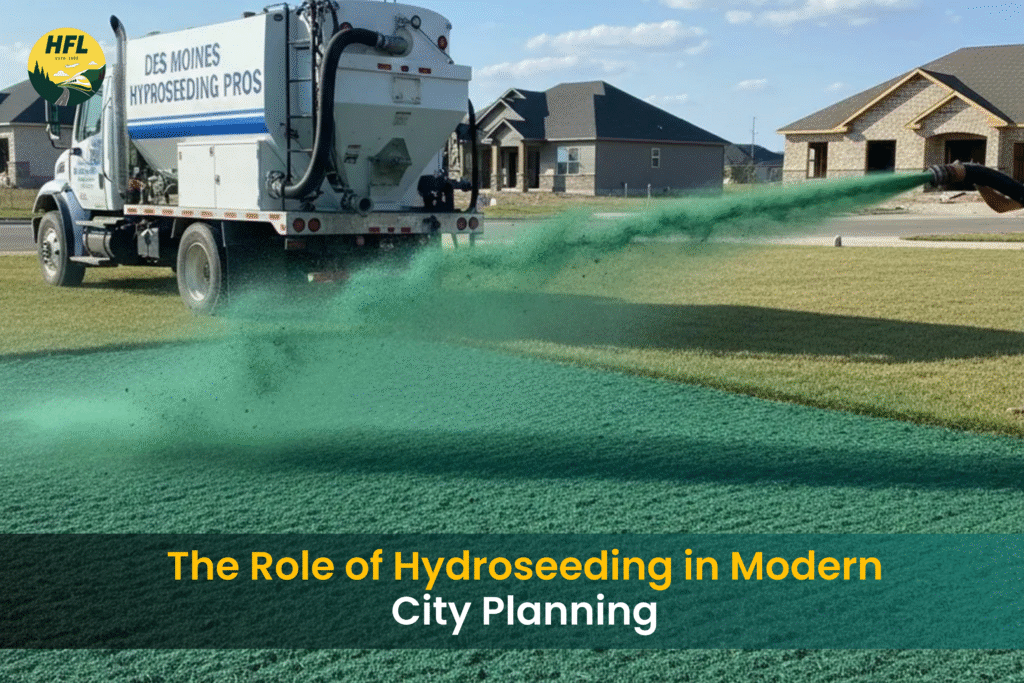
The Role of Hydroseeding in Modern City Planning
Hydroseeding for City Green Spaces
Cities are putting more plants into their buildings and other infrastructure to make cities healthier. Green corridors, public parks and rooftop gardens are becoming more and more important in the planning of modern cities.
One of the most effective methods used today is hydroseeding for city green spaces, which allows rapid vegetation establishment on large surfaces such as:
- Public parks
- Riverbanks
- Urban slopes
- Vacant construction land
- Recreation areas
By covering large areas quickly, hydroseeding helps transform barren land into thriving green spaces within weeks.
Cities that invest in green infrastructure benefit from several advantages:
- Reduced urban heat island effect
- Improved air quality
- Enhanced biodiversity
- Increased recreational opportunities
Urban planners increasingly recognize that vegetation plays a crucial role in improving the quality of life in densely populated cities.
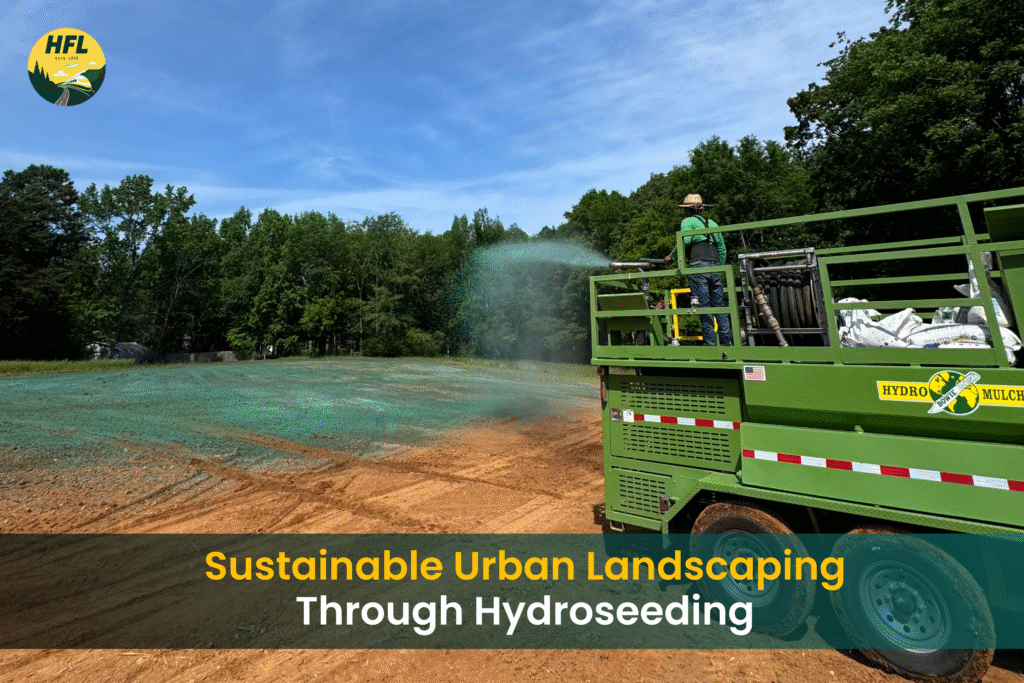
Sustainable Urban Landscaping Through Hydroseeding
Supporting Sustainable Urban Landscaping
City planners are now putting a lot of emphasis on environmental sustainability. Adding plants to cities can help fight climate change and make ecosystems more resilient.
One significant contribution of urban greening using hydroseeding is its role in sustainable urban landscaping. The technique enables large-scale vegetation establishment while conserving resources and minimizing environmental disturbance.
Benefits include:
- Faster plant growth compared to manual seeding
- Reduced soil erosion
- Improved soil moisture retention
- Lower installation costs
- Efficient coverage of uneven terrains
Hydroseeding also allows cities to plant native vegetation that supports local ecosystems.
Environmental programmes like those promoted by Haryana Forest encourage people to use landscaping methods that are good for the environment to protect biodiversity and make urban ecosystems stronger.
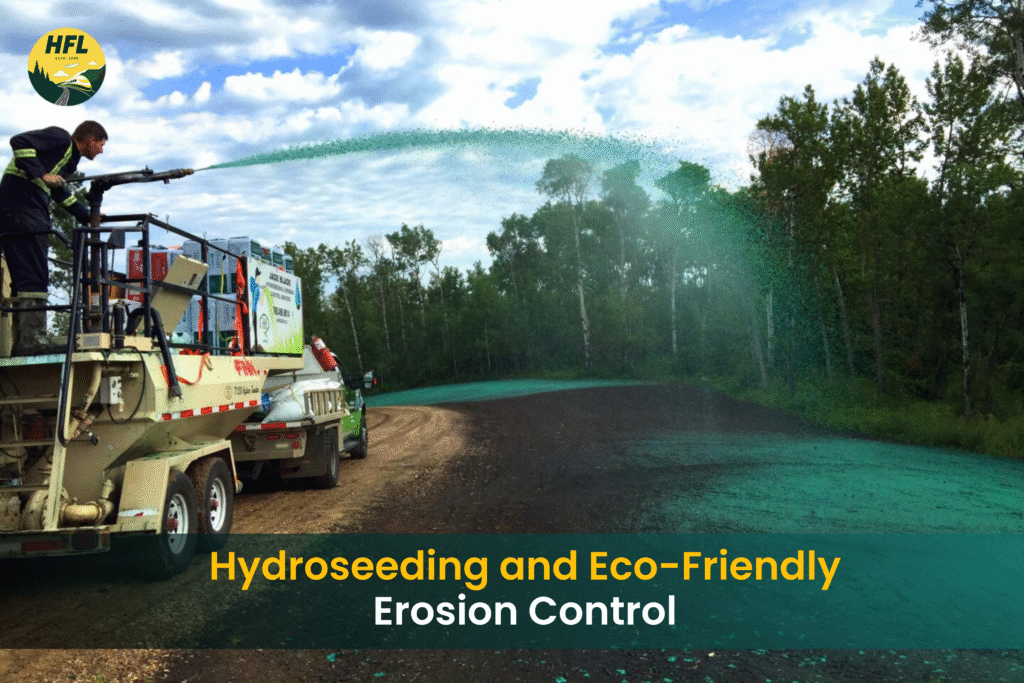
Hydroseeding and Eco-Friendly Erosion Control
Eco-Friendly Erosion Control Methods in Urban Areas
Soil erosion is a major challenge in urban construction projects, especially on slopes and exposed land surfaces. Heavy rainfall can wash away soil before vegetation has a chance to establish.
This is where eco-friendly erosion control methods such as hydroseeding become extremely valuable.
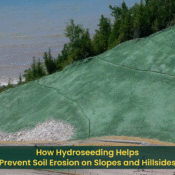
The mulch used in hydroseeding forms a protective layer over the soil, preventing erosion while retaining moisture for plant growth. As vegetation grows, root systems stabilize the soil further.
Common areas where hydroseeding helps control erosion include:
- Highway embankments
- Construction zones
- Drainage channels
- Riverbanks
- Urban hillside developments
By stabilizing soil naturally, hydroseeding reduces the need for chemical treatments and artificial barriers.
Hydroseeding for Roadside Vegetation
Improving Urban Transport Corridors
It’s hard to grow things on the side of the road because the soil is bad and there aren’t enough people to take care of it. But greenery along transportationcorridors can make cities much better places to live.
Hydroseeding is a quick way for cities to plant grass and plants along highways, roads and bridges.
Benefits of vegetated roadside areas include:
- Reduced dust and pollution
- Improved roadside aesthetics
- Stabilized slopes
- Reduced maintenance costs
Many cities worldwide have adopted hydroseeding techniques to restore vegetation along major road networks.
Environmental agencies, including initiatives connected to Haryana Forest, support such ecological approaches to maintain greener transportation infrastructure.
Global Examples of Urban Greening Projects
Inspiring Urban Greening Projects Worldwide
Several cities around the world have successfully implemented hydroseeding in large-scale urban greening initiatives.
1. Singapore Green Infrastructure Initiatives
Singapore has integrated vegetation into highways, parks and urban slopes using hydroseeding techniques to maintain lush green environments despite high urban density.
2. United States Highway Greening Programs
Many US states use hydroseeding to restore vegetation along highways and construction zones, improving both safety and environmental quality.
3. European Sustainable City Projects
Countries such as Germany and the Netherlands use hydroseeding to restore vegetation on riverbanks and urban redevelopment sites.
These examples demonstrate how green infrastructure development can reshape modern cities into environmentally resilient landscapes.
The Environmental Benefits of Urban Greening
Why Urban Vegetation Matters
Urban vegetation offers several ecological and social benefits that improve the overall quality of life in cities.
Key environmental advantages include:
Improved Air Quality
Plants absorb pollutants and release oxygen, improving the air that urban residents breathe.
Temperature Regulation
Vegetation reduces the urban heat island effect by providing shade and cooling surrounding areas.
Biodiversity Support
Green spaces create habitats for birds, insects and other wildlife.
Stormwater Management
Vegetation helps absorb rainwater, reducing the risk of flooding.
By implementing strategies such as urban greening using hydroseeding, cities can create healthier and more sustainable environments.
The Future of Urban Greening Using Hydroseeding
A Growing Global Movement
The importance of ecological infrastructure will only grow as climate change and urbanisation continue to change the future of cities.
As cities look for better ways to bring back plants, they are likely to use more new methods like urban greening with hydroseeding.
Haryana Forest and other environmental groups and programmes keep pushing for projects that restore land in a way that is good for the environment.
By combining technology, environmental science and urban planning, cities can create greener landscapes that benefit both people and nature.
Frequently Asked Questions (FAQs)
1. What is urban greening using hydroseeding?
Urban greening using hydroseeding is a planting technique that sprays a mixture of seeds, mulch, water and nutrients onto soil to quickly establish vegetation in urban areas.
2. Why is hydroseeding popular in city landscaping?
Hydroseeding is cost-effective, covers large areas quickly and promotes faster plant growth compared to traditional seeding methods.
3. Where is hydroseeding commonly used in cities?
It is widely used in parks, roadside landscapes, slopes, construction sites and urban redevelopment projects.
4. Is hydroseeding environmentally friendly?
Yes. Hydroseeding supports natural vegetation growth and helps stabilize soil, making it one of the most effective eco-friendly erosion control methods.
5. How long does hydroseeding take to grow grass?
In most conditions, seeds begin to germinate within 7 to 10 days and develop into full vegetation within a few weeks.
6. Can hydroseeding support large urban environmental projects?
Yes. Many cities use hydroseeding in large-scale green infrastructure development to restore vegetation quickly and efficiently.
Conclusion
As cities grow and natural landscapes shrink, urban areas are facing more and more environmental problems. To bring back ecological balance and make city life better, we need new ideas.
Hydroseeding is a powerful method for urban greening that allows plants to grow quickly over large areas while also supporting long-term growth in cities.
Hydroseeding is a quick and eco-friendly way to bring back greenery and stabilise soil in places like roadside landscapes and city parks.
Haryana Forest and other groups stress the need to use modern ecological solutions to protect natural resources and encourage sustainable development.
As cities change, adding green infrastructure and new planting technologies will be very important for making cities healthier and more resilient.