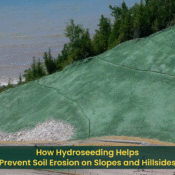
Why Hydroseeding Is Gaining Popularity in Landscaping
Landscaping today is no longer just about planting grass and waiting for it to grow. Modern landscaping focuses on sustainability, efficiency, soil protection, and long-term results. As projects grow larger and timelines become tighter, property owners, developers, and government bodies are asking an important question: Hydroseeding or traditional seeding—which is better? Hydroseeding has emerged as a preferred solution for lawns, highways, parks, industrial zones, and erosion-prone areas. Compared to traditional dry seeding, it offers faster germination, better soil coverage, and improved survival
rates. Organizations involved in ecological restoration and forestry, such as Haryana Forests, increasingly explore advanced methods like hydroseeding to support sustainable land development. This blog provides a detailed comparison of Hydroseeding vs traditional seeding, helping you choose the right method for modern landscaping needs.
What Is Hydroseeding?
Understanding the Hydroseeding Process
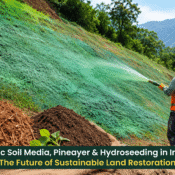
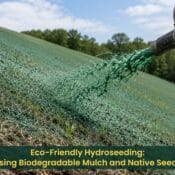
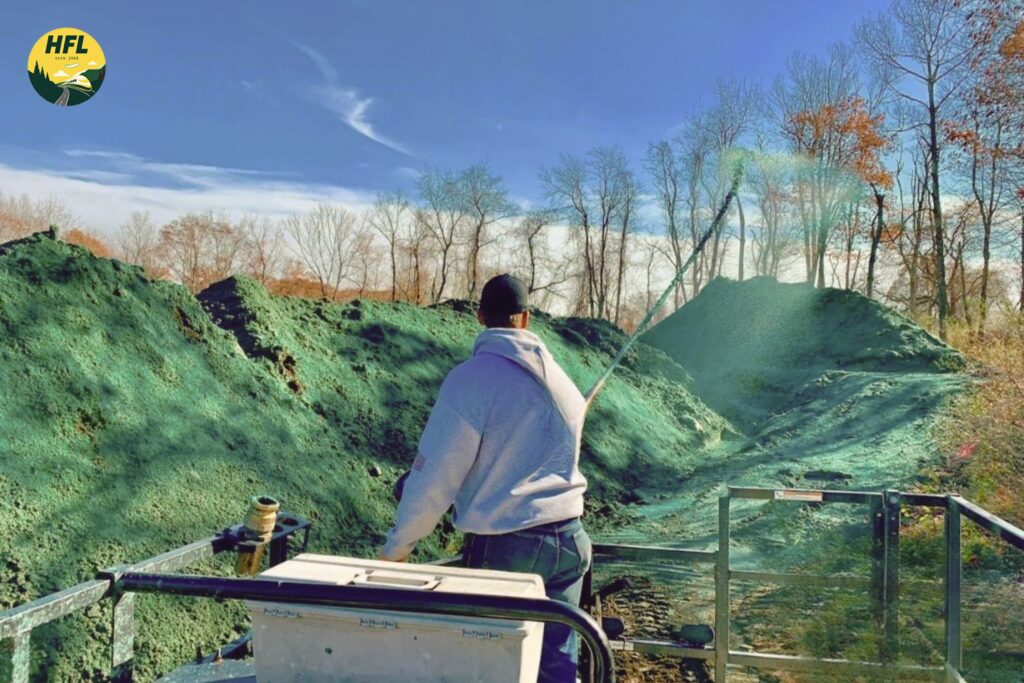
Hydroseeding is a planting technique that uses a slurry made of grass seed, water, mulch, fertilizer, and sometimes soilbinding agents. This mixture is sprayed evenly over prepared ground using specialized equipment.
Unlike manual spreading, Hydroseeding ensures uniform seed distribution and immediate soil contact, which significantly improves germination and root establishment.
Key Components Used in Hydroseeding
- Grass or plant seeds
- Water
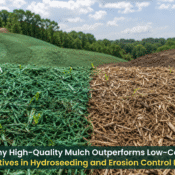
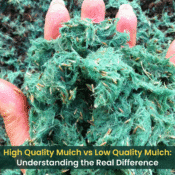
- Mulch (usually wood fiber or paper mulch)
- Fertilizers and nutrients
- Tackifiers to prevent erosion
These elements work together to create an ideal microenvironment for seed growth.
What Is Traditional Seeding?
How Traditional Seeding Works
Traditional seeding, also known as dry seeding, involves manually spreading seeds over soil using hand tools or seed spreaders. The seeds are then lightly raked or covered with
soil. This method has been used for decades and is still common for small lawns and home gardens.
Limitations of Traditional Seeding
While cost-effective, traditional seeding often results in uneven growth, seed loss due to wind or birds, and slower establishment—especially in large or sloped areas.
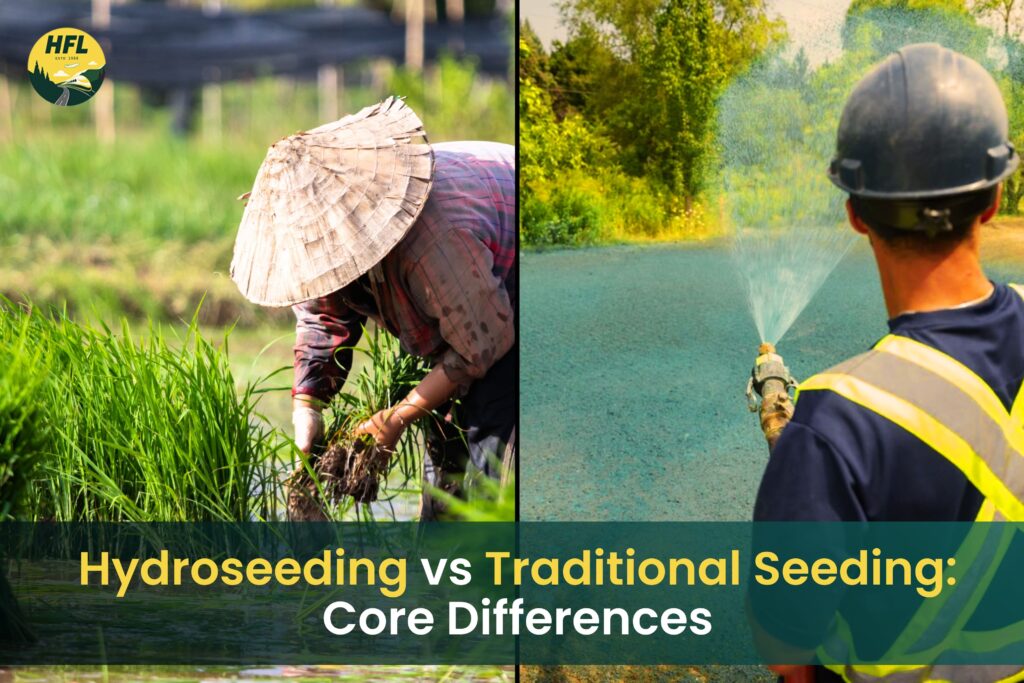
Hydroseeding vs Traditional Seeding: Core Differences
Application Method
- Hydroseeding: Sprayed as a liquid slurry for even coverage
- Traditional Seeding: Spread manually or mechanically
Hydroseeding ensures consistent application across large or irregular surfaces.
Germination Speed
- Hydroseeding: Faster germination (typically 5–7 days)
- Traditional Seeding: Slower and inconsistent growth
The moisture-retaining mulch in Hydroseeding acceleratesn seed activation.
Soil Protection and Erosion Control
- Hydroseeding: Excellent erosion control
- Traditional Seeding: Limited soil protection
Hydroseeding is particularly effective for slopes, embankments, and degraded land.
Cost Comparison: Hydroseeding vs Traditional Seeding
Initial Cost
Hydroseeding has a higher upfront cost due to equipment and materials. Traditional seeding appears cheaper initially.
Long-Term Cost Efficiency
Despite higher initial investment, Hydroseeding often proves more cost-effective over time due to:
- Reduced reseeding
- Faster coverage
- Lower maintenance
Traditional seeding may require repeated applications, increasing long-term costs.
Suitability for Modern Landscaping Projects
Large-Scale Landscaping
Hydroseeding is ideal for:
- Roadsides and highways
- Parks and public spaces
- Industrial and commercial land
- Reforestation and afforestation projects
This makes Hydroseeding highly relevant for government and institutional initiatives.
Small Residential Lawns
Traditional seeding may still work for small, flat residential lawns where erosion risk is low.
Environmental Benefits of Hydroseeding
Reduced Soil Erosion
The mulch layer binds soil particles, preventing runoff and protecting seed beds during rainfall.
Efficient Water Usage
Hydroseeding retains moisture better, reducing frequent watering and supporting sustainable water management.
Support for Native Plant Growth
Custom seed mixes can be used to promote native grasses and plants, supporting biodiversity.
Maintenance Requirements Compared
Hydroseeding Maintenance
- Light watering during early growth
- Minimal reseeding
- Faster establishment
Modern landscaping projects often favor Hydroseeding for its lower maintenance burden.
Growth Quality and Visual Results
Uniform Coverage
Hydroseeding delivers dense, uniform grass coverage without patchiness.
Strong Root Systems
Improved soil contact allows roots to develop deeper and stronger, increasing plant longevity.
Hydroseeding in Government and Forest Projects
Reforestation and Land Restoration
Hydroseeding is widely used in forest restoration, mining rehabilitation, and degraded land recovery.
Climate-Resilient Landscaping
For regions facing soil degradation and water stress, Hydroseeding supports faster ecosystem recovery.
When Traditional Seeding Still Makes Sense
Budget-Constrained Projects
Small projects with limited budgets may still opt for traditional seeding.
Controlled Garden Environments
Home gardens with controlled irrigation and protection can achieve acceptable results with dry seeding.
How to Choose Between Hydroseeding and Traditional Seeding
Consider Project Size and Terrain
Large, uneven, or erosion-prone areas benefit more from Hydroseeding.
Evaluate Time Constraints
If fast results are required, hydroseeding is the better choice.
Assess Long-Term Goals
For sustainable, low-maintenance landscapes, hydroseeding provides superior outcomes.
Frequently Asked Questions (FAQs)
1.What is Hydroseeding best used for?
Hydroseeding is best for large areas, slopes, and projects requiring fast and uniform vegetation growth.
2.Is hydroseeding environmentally friendly?
Yes. It reduces soil erosion, conserves water, and supports native plant growth.
3.How long does hydroseeding take to grow?
Initial growth usually appears within 5–7 days, with full establishment in a few weeks.
4.Can hydroseeding replace traditional seeding completely?
Not entirely. Traditional seeding still suits small, low-risk landscaping projects.
5.Is hydroseeding suitable for Indian climates?
Yes. With proper seed selection, Hydroseeding performs well across diverse Indian climatic conditions.
6.Who should consider hydroseeding?
Government agencies, developers, landscapers, and property
owners managing large or sensitive landscapes.