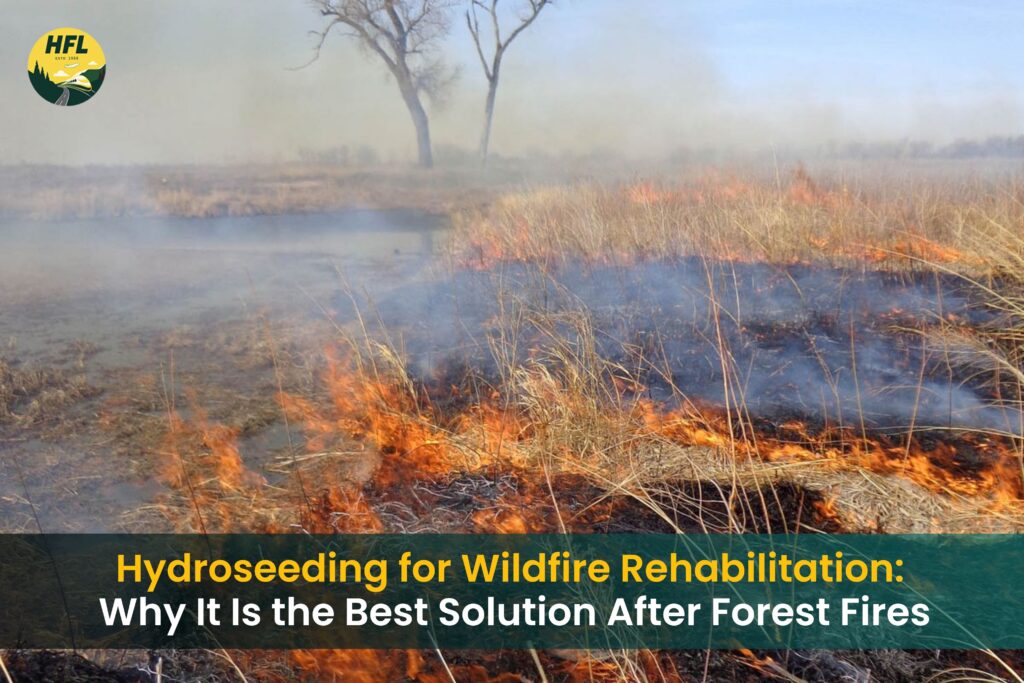
Wildfires cause a lot of damage, destroying plants and exposing soil to heavy erosion. In these kinds of situations, it’s very important to quickly and effectively restore ecosystems. Hydroseeding for wildfire rehabilitation is one of the best modern ways to help land that has been damaged by fire come back to life.
After a wildfire, the natural balance of soil and vegetation is disturbed. Without plant cover, the soil becomes loose and vulnerable to wind and water erosion. This makes recovery challenging and requires immediate intervention.
Haryana Forest and other groups stress eco-friendly restoration methods to rebuild ecosystems. In areas that have been burned, hydroseeding has been shown to be one of the most reliable ways to restore vegetation and stabilize soil.
This article explores why hydroseeding is the top choice for wildfire recovery, how it works and its long-term environmental benefits.
What Is Hydroseeding for Wildfire Rehabilitation and How It Works
Understanding hydroseeding for wildfire rehabilitation begins with knowing how the process supports land recovery.
Hydroseeding for Wildfire Rehabilitation Process Explained
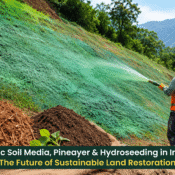
Hydroseeding involves spraying a mixture of:
- Seeds
- Mulch
- Fertilizer
- Water
- Binding agents
This mixture creates a protective layer over the soil, helping seeds germinate faster while preventing soil erosion.
Why Hydroseeding Works Better Than Traditional Methods
Unlike manual seeding, hydroseeding ensures:
- Even seed distribution
- Faster germination
- Better moisture retention
These advantages make it highly effective for hydroseeding for burned areas, especially on uneven terrain.
Why Hydroseeding for Wildfire Rehabilitation Is Essential After Fires
Wildfire-affected areas require immediate action to prevent long-term damage.
Hydroseeding for Wildfire Rehabilitation and Soil Protection
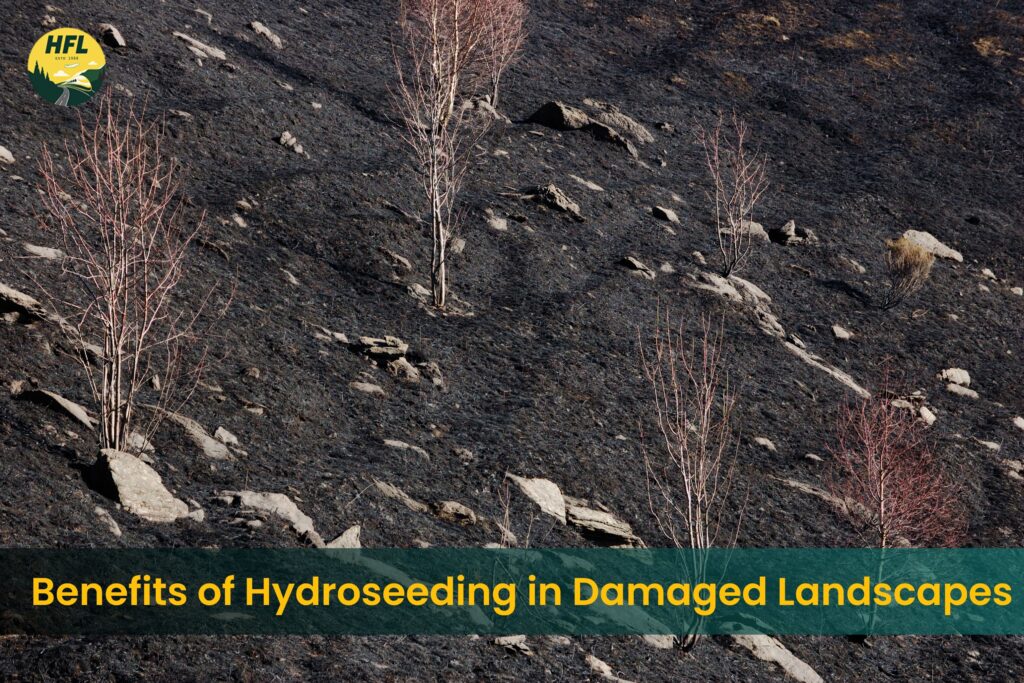
After a fire, soil loses its structure and nutrients. Hydroseeding helps restore stability by covering the surface and protecting it from erosion.
Role in Post-Wildfire Soil Stabilization
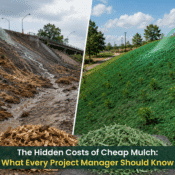
Post-wildfire soil stabilization is critical to prevent landslides and runoff. The mulch in hydroseeding binds soil particles and reduces displacement.
Benefits of Hydroseeding in Damaged Landscapes
Rapid Vegetation Restoration After Fire Damage
One of the biggest advantages is rapid vegetation restoration, which helps rebuild ecosystems quickly.
Plants begin to grow within weeks, improving soil quality and reducing environmental risks.
Erosion Control After Fire Damage
Erosion control after fire damage is crucial. Without vegetation, rainwater can wash away topsoil.
Hydroseeding minimizes this risk by holding soil in place.
Soil Erosion Control After Wildfire
Hydroseeding supports soil erosion control after wildfire, ensuring that nutrients remain in the soil for future plant growth.
Hydroseeding vs Other Post Wildfire Land Restoration Methods
Comparison With Traditional Seeding
Traditional seeding methods are slower and less effective in large areas.
Hydroseeding provides faster coverage and better results.
Eco Friendly Land Restoration Methods
Hydroseeding is one of the best eco friendly land restoration methods because it:
- Uses natural materials
- Reduces environmental impact
- Supports sustainable recovery
Hydroseeding for Wildfire Rehabilitation in Large Forest Areas
Hydroseeding for Wildfire Rehabilitation on Slopes
Slopes are highly vulnerable after fires. Hydroseeding helps stabilize them effectively.
Forest Restoration After Fire Damage
Hydroseeding plays a key role in forest restoration after fire damage, allowing ecosystems to recover naturally.
Organizations like Haryana Forest use such methods to restore biodiversity.
Revegetation After Forest Fires and Ecosystem Recovery
Revegetation After Forest Fires
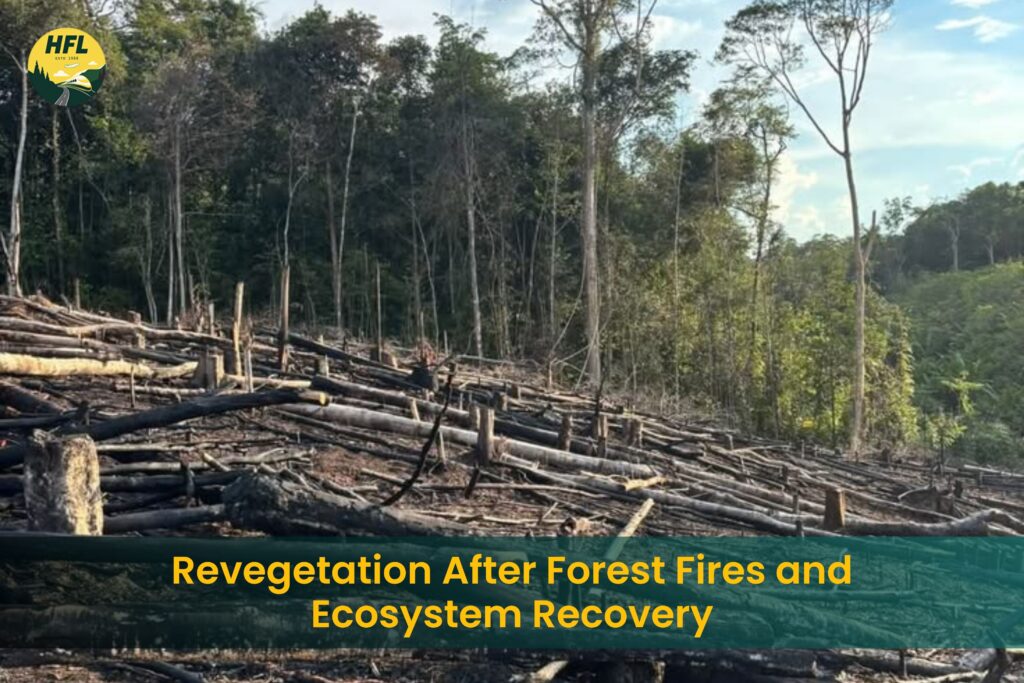
Hydroseeding accelerates revegetation after forest fires, helping restore plant life quickly.
Long-Term Environmental Benefits
Over time, vegetation improves:
- Soil fertility
- Water retention
- Biodiversity
Cost Efficiency and Sustainability of Hydroseeding
Cost-Effective Restoration Method
Hydroseeding is more affordable than traditional methods for large areas.
Sustainable Land Recovery
It supports long-term ecological balance and reduces future environmental risks.
Frequently Asked Questions
1. What is hydroseeding for wildfire rehabilitation?
It is a method of spraying seed mixtures on burned land to restore vegetation and stabilize soil.
2. Why is hydroseeding effective after wildfires?
It promotes rapid vegetation growth and prevents soil erosion.
(H3) 3. How long does hydroseeding take to work?
Initial growth appears within a few weeks.
4. Is hydroseeding environmentally friendly?
Yes, it is a sustainable and eco-friendly restoration method.
5. Can hydroseeding be used on slopes?
Yes, it is highly effective for slope stabilization.
6. Who uses hydroseeding techniques?
Forestry departments, environmental agencies and organizations like Haryana Forest.
Conclusion
It is hard to restore land after wildfires, so we need solutions that are both effective and long-lasting. Hydroseeding is one of the best ways to bring back plants, stabilize soil and stop erosion after a wildfire. Hydroseeding for wildfire rehabilitation Hydroseeding is becoming the most popular method for restoring the environment because it can speed up plant growth and help ecosystems recover over time. Groups like Haryana Forest are using this method to rebuild natural landscapes and protect biodiversity. Investing in long-lasting restoration methods will make ecosystems healthier and the environment better in the future.