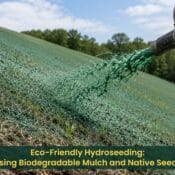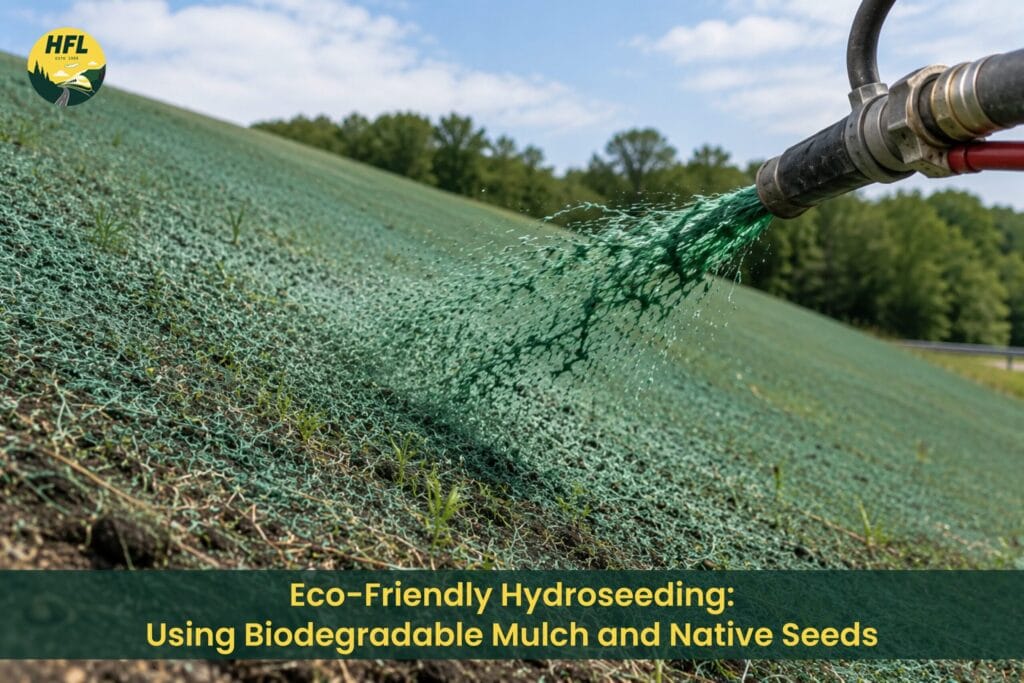
With environmental sustainability becoming a priority in land development, landscaping, and ecological restoration projects, innovative solutions that deliver a balance between environmental protection and practical results are emerging. One of these is eco friendly hydroseeding, a modern method of establishing vegetation that combines efficiency, cost-effectiveness and ecological responsibility. Eco friendly hydroseeding can be used with biodegradable mulch and native seed varieties to restore damaged landscapes and support long-term environmental health.
Traditional seeding methods often struggle to achieve uniform growth on large or challenging sites. At the same time, conventional landscaping approaches may rely on non-native vegetation that provides limited ecological value. Eco-friendly hydroseeding addresses these concerns by encouraging sustainable plant establishment while improving soil stability and habitat quality.
At Haryana Forests, we recognize the importance of environmentally responsible land management practices. This article explores how biodegradable mulch and native seeds are transforming hydroseeding into a powerful tool for sustainable restoration, erosion control and biodiversity enhancement.
Understanding Eco Friendly Hydroseeding
What Is Hydroseeding?
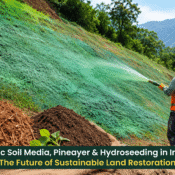
Hydroseeding is a method of planting whereby a specially prepared mixture of seeds, mulch, water, fertilizers and additives to enhance the soil is sprayed onto prepared land surfaces. The slurry creates a protective environment that promotes rapid germination and establishment of vegetation.
This approach is commonly used on construction sites, highways, slopes, parks, sports fields and restoration projects where traditional seeding methods may be less effective.
“Why Hydroseeding Matters for Sustainability in Modern Landscaping
As environmental awareness increases, project planners and land managers are seeking methods that minimize ecological impact while achieving long-term vegetation success. This shift has contributed to the growing popularity of eco friendly hydroseeding, which emphasizes the use of sustainable materials and locally adapted plant species.
Unlike conventional approaches that may prioritize rapid visual results alone, eco-friendly hydroseeding focuses on creating healthy, self-sustaining ecosystems.
The Role of Biodegradable Mulch in Hydroseeding
Why Mulch Is Essential
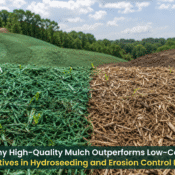
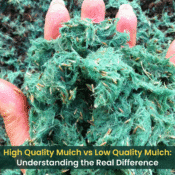
Mulch is an important part of hydroseeding, protecting the seeds during their vulnerable germination stage. It helps to retain moisture, regulate temperature, reduce erosion and protect seeds from environmental stress. Among the modern options, biodegradable mulch in hydroseeding is gaining popularity because it offers these benefits without leaving long-term environmental waste behind. The use of biodegradable mulch in hydroseeding supports environmentally responsible vegetation establishment while maintaining effective seed protection and growth conditions.
Environmental Benefits of Biodegradable Mulch
Unlike synthetic materials that may persist in the environment, biodegradable mulch gradually decomposes and integrates into the soil. This natural breakdown process contributes organic matter that can improve soil structure and fertility.
The use of biodegradable mulch hydroseeding also reduces reliance on non-renewable materials, supporting broader sustainability goals while maintaining effective seed protection.
Native Seeds and Ecological Success
Why Native Plants Matter
One of the most important aspects of sustainable vegetation management is selecting plant species that are naturally adapted to local environmental conditions. Native plants have evolved within specific ecosystems and are often better suited to local climates, soils and wildlife interactions.
Using native seeds for hydroseeding can significantly improve project outcomes while supporting ecosystem resilience.
Benefits of Native Seed Mixes
The benefits of native seed mixes extend beyond successful plant establishment. Native species typically require less irrigation, fewer chemical inputs and reduced maintenance once established.
In addition, they provide food and habitat for local wildlife, including pollinators, birds and beneficial insects. This ecological compatibility makes native seed selection an essential component of environmentally responsible land restoration projects.
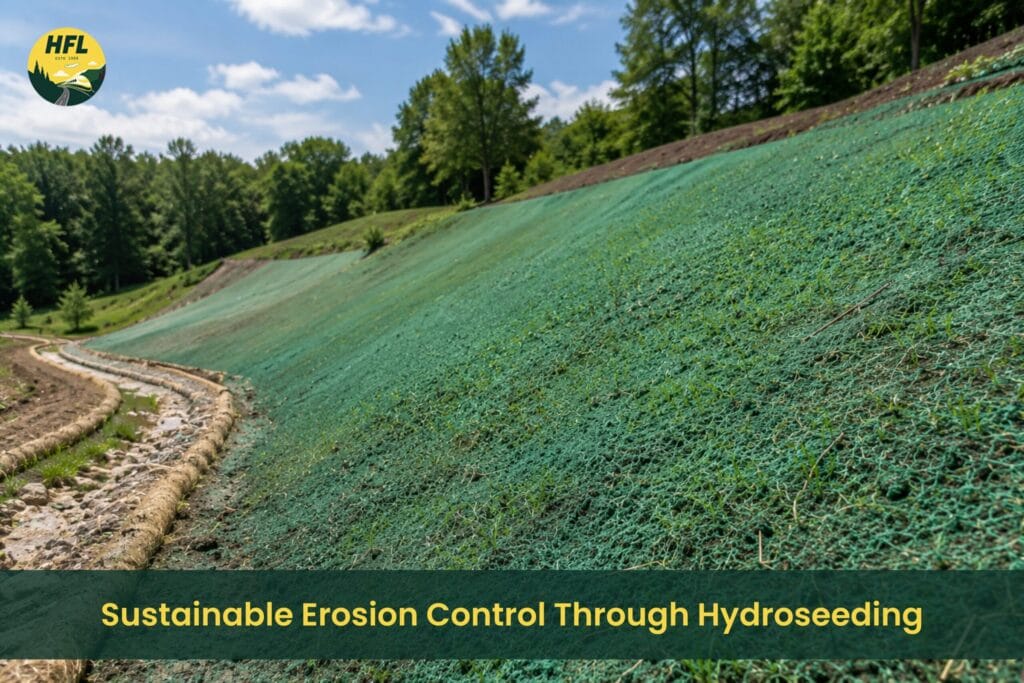
Sustainable Erosion Control Through Hydroseeding
Addressing Soil Erosion Challenges
Soil erosion is still a big problem in construction, agriculture, infrastructure projects and environmental restoration. Bare soil is subject to wind, rain and surface runoff which can cause serious environmental degradation.
Hydroseeding is an effective method of quickly and uniformly establishing vegetation over large areas.
Sustainable Erosion Control Benefits
The concept of sustainable erosion control focuses on preventing soil loss while maintaining ecological integrity. Vegetation established through hydroseeding stabilizes soil with root systems that reduce runoff and improve water infiltration.
This natural approach offers long-term protection while avoiding many of the environmental drawbacks associated with hard engineering solutions.
Eco-Friendly Land Restoration Strategies
Restoring Disturbed Landscapes
Development activities, mining operations, infrastructure projects and natural disasters can leave landscapes degraded and vulnerable to further damage.
One of the primary goals of eco-friendly land restoration is to re-establish healthy vegetation while promoting ecosystem recovery.
Hydroseeding provides a practical method for accelerating this process by creating favorable conditions for plant growth.
Long-Term Ecological Benefits
The implementation of indigenous species and biodegradable materials in restoration projects often results in more sustainable outcomes than projects that focus on short-term vegetation cover.
Restored landscapes may recover ecological functions, such as habitat, nutrient cycling and water regulation, over time.
Improving Biodiversity Through Hydroseeding
Supporting Local Wildlife
A major advantage of improving biodiversity through hydroseeding is its ability to create habitats that support diverse plant and animal communities.
Native grasses, wildflowers and shrubs established through hydroseeding provide resources for pollinators and other beneficial organisms.
Creating Resilient Ecosystems
Biodiversity increases the resilience of ecosystems by enhancing the capacity of natural systems to resist environmental challenges such as drought, disease and climate change.
Ecological diversity is often a key factor in the long term success and sustainability of projects.
Sustainable Land Restoration in Practice
Integrating Environmental Responsibility
Effective sustainable land restoration requires a comprehensive approach that considers vegetation, soil health, water management and ecosystem function.
Hydroseeding supports these objectives by facilitating rapid vegetation establishment while minimizing environmental disturbance.
Applications Across Different Landscapes
Hydroseeding can be successfully applied to a wide range of restoration projects, including:
- Highway embankments
- Forest restoration areas
- Watershed protection zones
- Mining reclamation sites
- Urban green spaces
Its versatility makes it an important tool for environmental management professionals.
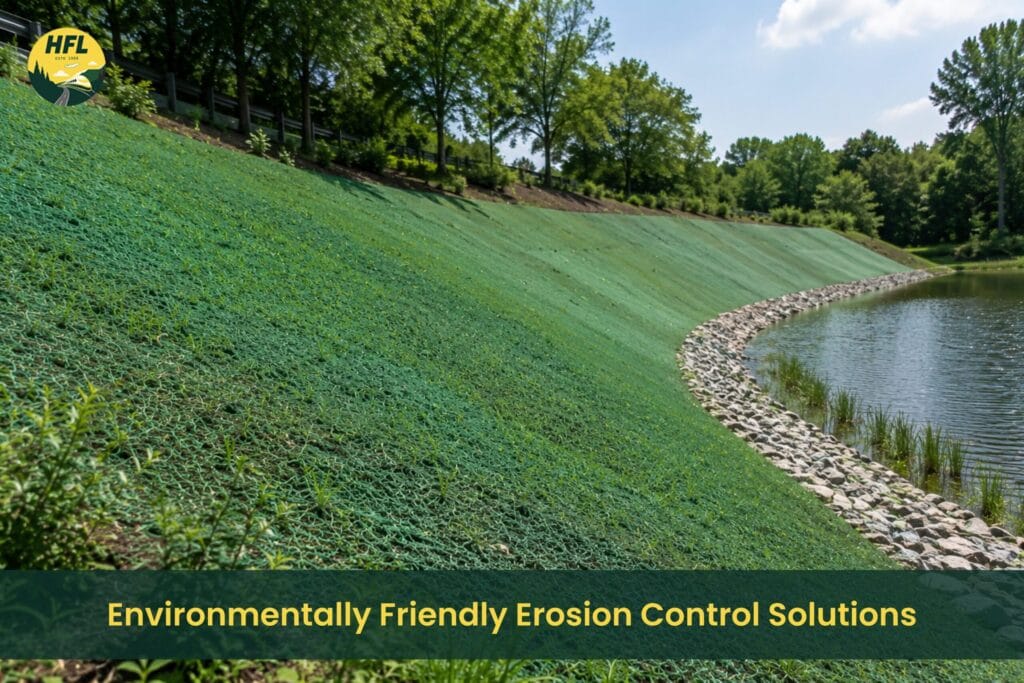
Environmentally Friendly Erosion Control Solutions
Moving Beyond Traditional Methods
Conventional approaches for erosion control tend to depend significantly on synthetic materials or intensive engineering interventions. These techniques can be efficient but may not always meet sustainability targets.
The growing demand for environmentally friendly erosion control has encouraged wider adoption of vegetation-based approaches such as hydroseeding.
Balancing Performance and Sustainability
Modern hydroseeding technologies demonstrate that effective erosion protection and environmental responsibility can coexist. By combining natural materials and ecological design principles, land managers can achieve both performance and sustainability goals.
Hydroseeding for Ecological Restoration
Rebuilding Ecosystem Functions
The use of hydroseeding for ecological restoration extends beyond simply establishing vegetation cover. It contributes to the recovery of ecological processes that support healthy landscapes.
These processes include soil stabilization, water retention, habitat creation and nutrient cycling.
Supporting Climate Adaptation
Restored vegetation can help to mitigate some impacts of climate change by increasing soil carbon storage, reducing erosion and increasing the resilience of ecosystems.
Consequently, hydroseeding is becoming an increasingly important tool in the planning of environmental restoration.
Green Landscaping Solutions for the Future
Sustainable Urban and Rural Development
As communities seek more environmentally responsible development practices, green landscaping solutions are becoming increasingly important.
Hydroseeding offers an efficient way to establish vegetation while supporting sustainability objectives in both urban and rural settings.
The Role of Innovation
Advances in seed technology, mulch materials and application methods continue to improve hydroseeding effectiveness. These innovations make it easier to achieve ecological and aesthetic goals simultaneously.
At Haryana Forests, we support solutions that combine environmental stewardship with practical land management outcomes.
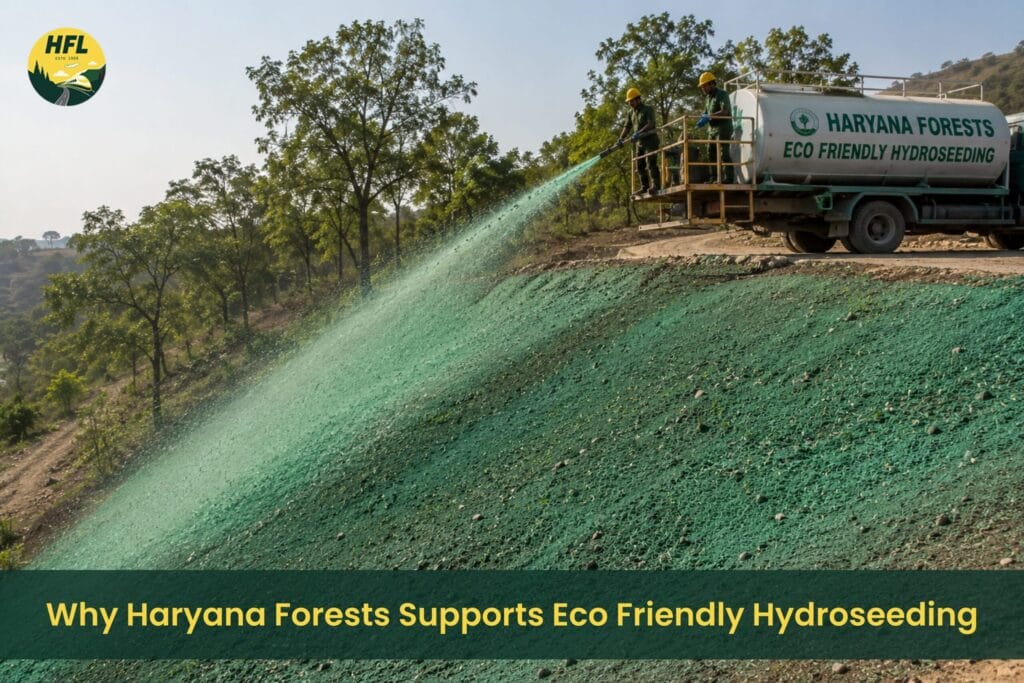
Why Haryana Forests Supports Eco Friendly Hydroseeding
Commitment to Sustainable Environmental Practices
At Haryana Forests, our commitment to ecological restoration and sustainable land management aligns closely with the principles of eco-friendly hydroseeding.
By promoting native vegetation, soil conservation and biodiversity enhancement, hydroseeding supports many of the environmental objectives that are essential for long-term ecosystem health.
Building Healthier Landscapes
Healthy landscapes create healthy communities, a healthy environment and greater resiliency to future challenges. Sustainable restoration methods are essential to achieve these results.
Frequently Asked Questions (FAQs)
Q1: What is eco friendly hydroseeding?
It is a hydroseeding approach that uses environmentally responsible materials such as biodegradable mulch and native seed species.
Q2: Why is biodegradable mulch important?
Biodegradable mulch protects seeds during establishment while naturally decomposing and enriching the soil.
Q3: Are native seeds better for restoration projects?
Yes. Native species are generally better adapted to local conditions and provide greater ecological benefits.
Q4: How does hydroseeding help control erosion?
Hydroseeding establishes vegetation that stabilizes soil, reduces runoff and improves water infiltration.
Q5: Is hydroseeding suitable for large areas?
Yes. Hydroseeding is commonly used on large-scale projects because it provides efficient and uniform coverage.
Q6: Can hydroseeding improve biodiversity?
When native seed mixes are used, hydroseeding can support diverse plant and wildlife communities.
Q7: Is hydroseeding environmentally sustainable?
Yes. Properly designed hydroseeding projects can contribute to sustainable restoration, erosion control, and ecological resilience.
Conclusion
The increasing need for environmentally responsible land management has highlighted the value of eco friendly hydroseeding as a practical, sustainable restoration solution. Hydroseeding is a process that uses biodegradable mulch, local seed mixes and ecological design to promote plant establishment, while also improving biodiversity, erosion control and the long-term health of the ecosystem.
At Haryana Forests, we recognize that successful restoration requires more than simply planting vegetation—it requires creating resilient landscapes capable of supporting future generations. Through sustainable hydroseeding practices, land managers, developers and conservation professionals can contribute to healthier ecosystems and more sustainable environmental outcomes.